There's something so comforting about a warm, hearty meal that requires minimal effort. Stuffed bell peppers are a classic for a reason – they're delicious, versatile, and packed with nutrients. But sometimes, the thought of pre-cooking rice and browning ground beef can feel like a chore. That's where the magic of the slow cooker comes in. Let's explore how to make unbelievably delicious and easy Crock Pot Stuffed Bell Peppers that practically cook themselves! Delicious and Easy Recipe for Crock Pot Stuffed Bell Peppers This recipe for Crock Pot Stuffed Bell Peppers is a game-changer for busy weeknights or lazy weekends. It simplifies the process without sacrificing any of the flavor. The slow cooker allows the flavors to meld together beautifully, resulting in tender peppers and a savory, satisfying filling. Plus, clean-up is a breeze! It's also a very forgiving dish, so feel free to adjust the ingredients to your liking. Got leftove...
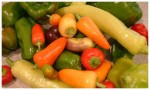
Dreaming of a vibrant vegetable garden bursting with juicy, colorful bell peppers? Florida's unique climate presents both opportunities and challenges for the home gardener. Don't let that deter you! With a little know-how and some careful planning, you can be harvesting your own delicious bell peppers right from your backyard.
The Sunshine State's Bell Pepper Growing Seasons
Florida's climate is a double-edged sword when it comes togrowing bell peppers. While the abundance of sunshine is a huge advantage, the heat and humidity can present significant hurdles. The key to success lies in understanding the best planting times for different regions of the state. Generally, there are two main bell pepper growing seasons in Florida:
- Spring: This is the most popular time to plant bell peppers in Florida, especially in Central and North Florida. Start seeds indoors 6-8 weeks before the last expected frost or purchase transplants from a local nursery. Plant outdoors after the danger of frost has passed, usually around February or March in Central Florida and March or April in North Florida.
- Fall: This is a great option for South Florida and areas that experience milder winters. Start seeds or purchase transplants in late summer (August or September) and plant outdoors in October or November. This allows the peppers to mature during the cooler months.
Choosing the right planting season is critical for*Florida bell pepper gardening. Planting too early can expose your young plants to frost, while planting too late can subject them to intense heat that hinders growth and fruit production. Always check your local extension office's website or consult with experienced gardeners in your area for the most accurate planting dates.
Choosing the Right Bell Pepper Varieties for Florida
Not all bell pepper varieties thrive equally well in Florida's challenging climate. Opting for heat-tolerant and disease-resistant varieties is crucial for a successful harvest. Here are a few recommended varieties forgrowing bell peppers in Florida gardens:
- 'Florida 91': This is a popular variety specifically bred for Florida's climate. It is known for its excellent disease resistance, high yields, and tolerance to heat and humidity.
- 'Jupiter': Another reliable choice, 'Jupiter' produces large, blocky peppers with thick walls. It is also relatively heat-tolerant and resistant to common pepper diseases.
- 'Red Knight': This variety is known for its early maturity and production of sweet, red peppers. It is a good option for gardeners who want to harvest peppers quickly.
- 'Cubanelle': For a milder flavor, consider 'Cubanelle'. These peppers are long and slender with a sweet taste and are often used in frying. They also perform well in Florida's climate.
When selecting your bell pepper varieties, consider your personal preferences for taste, size, and color. Look for varieties that are specifically labeled as heat-tolerant and disease-resistant to increase your chances of success. It is a great idea to find different variations of bell peppers and try them out.
Preparing Your Soil for a Thriving Bell Pepper Crop
Bell peppers require well-drained, fertile soil with a slightly acidic p H (6.0-6.8). Florida's sandy soil often lacks the necessary nutrients and organic matter to support healthy pepper growth. Soil preparation is key togrowing healthy bell peppers in Florida.
- Soil Testing:Before planting, conduct a soil test to determine the p H and nutrient levels of your soil. This will help you identify any deficiencies and amend the soil accordingly.
- Adding Organic Matter: Incorporate plenty of organic matter, such as compost, aged manure, or peat moss, into the soil. Organic matter improves drainage, retains moisture, and provides essential nutrients for plant growth. Aim for at least 4-6 inches of organic matter tilled into the soil.
- Fertilizing: Bell peppers are heavy feeders and require adequate levels of nitrogen, phosphorus, and potassium. Apply a balanced fertilizer (e.g., 10-10-10) according to the package directions before planting. You may also need to side-dress with additional fertilizer during the growing season.
- Raised Beds: Consider growing bell peppers in raised beds, especially in areas with poor drainage or heavy clay soil. Raised beds improve drainage and aeration, creating a more favorable environment for root growth.
Well-prepared soil provides the foundation for a healthy and productive bell pepper crop. Take the time to amend your soil properly before planting to ensure your plants have the best possible start.
Planting and Caring for Your Bell Pepper Plants
Once your soil is prepared, it's time to plant your bell pepper transplants. Here are some tips for successful planting and care to successfullygrow bell peppers in the Florida landscape:
- Spacing: Space bell pepper plants 18-24 inches apart in rows that are 24-36 inches apart. This allows for adequate air circulation and sunlight penetration.
- Planting Depth: Plant the transplants at the same depth they were growing in their containers. Avoid planting them too deep, as this can lead to stem rot.
- Watering: Water regularly, especially during dry periods. Bell peppers need consistent moisture to produce healthy fruits. Aim to water deeply and infrequently, allowing the soil to dry slightly between waterings.
- Mulching: Apply a layer of mulch around the plants to help retain moisture, suppress weeds, and regulate soil temperature. Organic mulches, such as straw or pine needles, are excellent choices.
- Staking or Caging: Bell pepper plants can become top-heavy as they produce fruit. Provide support by staking or caging the plants to prevent them from falling over.
Regular watering, mulching, and staking will help your bell pepper plants thrive and produce a bountiful harvest. Be diligent with these tasks, especially during the hot and humid months.
Dealing with Pests and Diseases
Like all plants, bell peppers are susceptible to various pests and diseases. Regularly inspect your plants for signs of trouble and take action promptly to prevent problems from escalating. Here are some common pests and diseases that affect bell peppers in Florida:
Aphids: These small, sap-sucking insects can cause leaves to curl and distort. Control aphids with insecticidal soap or neem oil. Whiteflies: Similar to aphids, whiteflies suck sap from plants and can transmit viruses. Use yellow sticky traps or insecticidal soap to control whiteflies. Spider Mites: These tiny pests can cause leaves to become speckled and discolored. Treat spider mites with miticides or insecticidal soap. Blossom-End Rot: This condition causes the bottom of the pepper to rot and is often caused by calcium deficiency or inconsistent watering. Ensure adequate calcium levels in the soil and water regularly. Bacterial Leaf Spot: This disease causes small, brown spots on the leaves. Prevent bacterial leaf spot by using disease-resistant varieties and avoiding overhead watering. Viruses: Several viruses can affect bell peppers, causing stunted growth and distorted fruit. Control viruses by controlling insect vectors, such as aphids and whiteflies, and using virus-resistant varieties.
Prevention is the best defense against pests and diseases. Choose disease-resistant varieties, practice good sanitation, and monitor your plants regularly for signs of trouble. Consider using a high-quality watering device such as aGarden Hose 75 FT with a 10-Function Nozzle that ensures you can reach all your plants with the right amount of water pressure, contributing to their overall health. This type ofgarden watering hose with a versatile spray nozzle is also leak-proof, kink-free, and incredibly durable, making it perfect for any Florida garden. You can find a great option here: https://amzn.to/3Yv E0Bo.
Harvesting Your Bell Peppers
Bell peppers are typically ready to harvest 60-80 days after transplanting, depending on the variety. The best time to harvest is when the peppers have reached their full size and color and the walls are firm. To harvest, use pruning shears or a sharp knife to cut the pepper from the plant, leaving a small portion of the stem attached.
Tips for a Bountiful Harvest of Florida Grown Bell Peppers:
- Harvest regularly to encourage continued fruit production.
- Avoid bruising or damaging the peppers during harvest.
- Store harvested peppers in the refrigerator for up to a week.
The satisfaction of harvesting your own homegrown bell peppers is unparalleled. By following these tips and techniques, you can enjoy a delicious and rewarding harvest from your Florida garden.
Enjoy the Fruits (or Vegetables!) of Your Labor
Growing your own bell peppers in Florida can be a challenging but rewarding experience. With careful planning, proper soil preparation, and diligent care, you can enjoy a bountiful harvest of delicious, homegrown peppers. So, get out there, get your hands dirty, and start growing! There's nothing quite like the taste of fresh, homegrown vegetables.