There's something so comforting about a warm, hearty meal that requires minimal effort. Stuffed bell peppers are a classic for a reason – they're delicious, versatile, and packed with nutrients. But sometimes, the thought of pre-cooking rice and browning ground beef can feel like a chore. That's where the magic of the slow cooker comes in. Let's explore how to make unbelievably delicious and easy Crock Pot Stuffed Bell Peppers that practically cook themselves! Delicious and Easy Recipe for Crock Pot Stuffed Bell Peppers This recipe for Crock Pot Stuffed Bell Peppers is a game-changer for busy weeknights or lazy weekends. It simplifies the process without sacrificing any of the flavor. The slow cooker allows the flavors to meld together beautifully, resulting in tender peppers and a savory, satisfying filling. Plus, clean-up is a breeze! It's also a very forgiving dish, so feel free to adjust the ingredients to your liking. Got leftove...
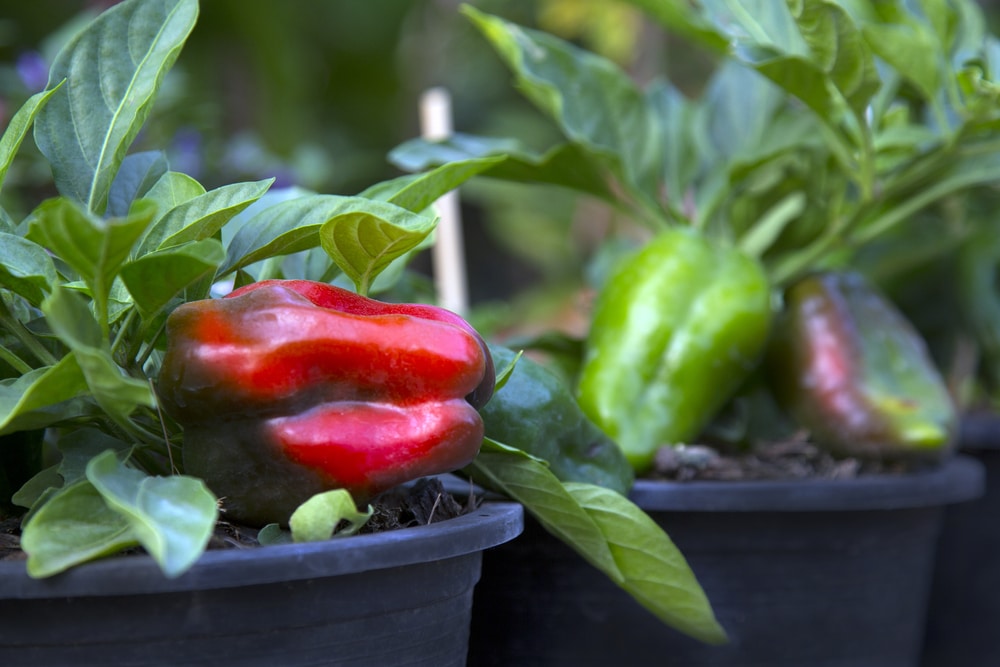
Imagine plump, vibrant bell peppers, bursting with flavor, gracing your patio or balcony. Sounds dreamy, right? Well, guess what? Growing your own bell peppers, even without a sprawling garden, is totally achievable! With the right know-how, you can cultivate these colorful veggies in pots and enjoy fresh, homegrown goodness all season long. So, let's dive into the rewarding world of container gardening and learn how to successfully grow bell peppers in pots!
Why Choose Container Gardening for Bell Peppers?
Growing bell peppers in pots, also known ascontainer gardening, offers a multitude of advantages, especially for those with limited space or less-than-ideal soil conditions. Let's explore some of the key benefits:
- Space Efficiency: Perfect for apartments, balconies, patios, and small yards. You don't need acres of land to enjoy homegrown peppers!
- Portability: Move your peppers around to follow the sun or protect them from harsh weather. If an unexpected frost threatens, simply bring your pots indoors.
- Controlled Environment: You have complete control over the soil composition, watering schedule, and nutrient levels, leading to healthier, more productive plants.
- Pest and Disease Control: Easier to monitor and manage pests and diseases in a contained environment compared to a large garden plot.
- Aesthetically Pleasing: Adds a touch of color and vibrancy to your outdoor space. Imagine the visual appeal of bright green plants laden with colorful peppers!
Selecting the Right Pot and Soil for Planting Bell Peppers
Choosing the right pot and soil is crucial for successfulplanting bell peppers in pots. The size of the pot directly impacts the plant's root development and overall growth, while the soil provides the necessary nutrients and drainage.
Pot Size:Giving Your Peppers Room to Grow
Bell pepper plants need adequate space for their roots to expand. Opt for pots that are at least12 inches in diameter and 12 inches deep. Larger pots (14-16 inches) are even better, providing more room for root growth and allowing the plant to thrive. Consider the variety of bell pepper you're planting. Smaller varieties may do well in slightly smaller pots, but larger varieties definitely require more space. Make sure the pot has drainage holes! Stagnant water is the enemy of healthy pepper plants.
Choosing the Perfect Soil Mix for Growing Bell Peppers In Pots
Bell peppers require well-draining soil that is rich in organic matter. Avoid using garden soil directly in pots, as it tends to compact and doesn't provide adequate drainage. Instead, opt for a high-qualitypotting mix specifically formulated for containers. Look for mixes that contain ingredients like:
- Peat moss or coco coir: Helps retain moisture and improve soil aeration.
- Perlite or vermiculite: Improves drainage and prevents soil compaction.
- Compost or aged manure: Provides essential nutrients and enhances soil fertility.
You can also create your own potting mix by combining equal parts of peat moss (or coco coir), perlite, and compost. This allows you to customize the mix to suit your specific needs. A slightly acidic soil p H (around 6.0-6.8) is ideal for bell peppers.
Planting Bell Peppers In Pots: A Step-by-Step Guide
Now, let's get our hands dirty and learn how to properly plant bell peppers in pots. Follow these simple steps for a successful start:
- Prepare the Pot: Fill the pot with your chosen potting mix, leaving a couple of inches of space at the top.
- Remove the Seedling: Gently remove the bell pepper seedling from its nursery pot. Be careful not to damage the roots.
- Loosen the Roots: Gently loosen the roots of the seedling before planting. This encourages them to spread out and establish themselves in the new pot.
- Plant the Seedling: Dig a hole in the center of the potting mix and place the seedling in the hole. The top of the root ball should be level with the soil surface.
- Fill and Water: Fill the hole with potting mix and gently pat down the soil around the seedling. Water thoroughly until the water drains out of the bottom of the pot.
- Mulch (Optional): Add a layer of mulch around the base of the plant to help retain moisture and suppress weeds. Organic mulches like straw or wood chips are excellent choices.
Caring for Your Potted Bell Peppers: Sun, Water, and Nutrients
Once your bell peppers are planted, providing the right care is essential for their growth and fruit production. This includes ensuring adequate sunlight, proper watering, and sufficient nutrients.
Sunlight: The Key to Pepper Production
Bell peppers are sun-loving plants and require at least6-8 hours of direct sunlight per day. Choose a sunny location for your pots, preferably one that receives morning sun and some afternoon shade to prevent the plants from overheating in extremely hot climates. If you don't have a sunny spot, consider using grow lights to supplement the sunlight.
Watering:Maintaining Consistent Moisture Levels
Water your bell pepper plants regularly, especially during hot and dry weather. The soil should be consistently moist, but not waterlogged. Check the soil moisture by sticking your finger about an inch into the soil. If it feels dry, it's time to water. Water at the base of the plant to avoid wetting the foliage, which can increase the risk of fungal diseases. Avoid overwatering, as this can lead to root rot. Container plants tend to dry out more quickly than plants in the ground, so monitor the moisture levels frequently.
Fertilizing: Providing Essential Nutrients
Bell peppers are heavy feeders and require regular fertilization to produce abundant fruit. Start fertilizing about two weeks after planting, using a balanced fertilizer (e.g., 10-10-10) diluted to half strength. Feed your plants every 2-3 weeks throughout the growing season. You can also use organic fertilizers, such as compost tea or fish emulsion. For optimal results, consider using a fertilizer specifically formulated for peppers and tomatoes. These fertilizers are typically higher in phosphorus and potassium, which are essential for fruit development. As your plants start fruiting, you can switch to a fertilizer higher in potassium to promote larger, more flavorful peppers. I find great use from a gardening hose 75 FT with 10-Function Nozzle, Leak-proof Metal Connector Water Hose, No Knots, Kink-Free, Lighter, Anti-Pets, Wear-Resistant, 3/4 GHT, Metal Hose for Garden, Yard, Outdoor when watering my peppers. If you are considering a purchase to make watering your garden easier, you can find this reliable water hose with a durable design here: https://amzn.to/3Yv E0Bo
Common Pests and Diseases of Potted Bell Peppers and How to Manage Them
While container gardening offers some protection against pests and diseases, bell peppers grown in pots are still susceptible to certain problems. Here's a look at some common issues and how to manage them:
- Aphids: Small, sap-sucking insects that can weaken plants. Control them with insecticidal soap or a strong spray of water.
- Spider mites: Tiny pests that create webs on the leaves. Increase humidity and treat with miticide.
- Blossom-end rot: A calcium deficiency that causes the bottom of the peppers to rot. Ensure consistent watering and add calcium to the soil. You can use crushed eggshells or a calcium-rich fertilizer.
- Fungal diseases (e.g., powdery mildew, blight): Prevented by ensuring good air circulation, avoiding overhead watering, and applying fungicide if necessary.
Regularly inspect your plants for signs of pests or diseases. Early detection and treatment are key to preventing serious problems. Companion planting, such as planting basil near your bell peppers, can also help deter pests.
Harvesting Your Homegrown Bell Peppers
The moment you've been waiting for! Bell peppers are typically ready to harvest 60-90 days after planting, depending on the variety. They can be harvested at any stage of maturity, from green to fully colored (red, yellow, orange). The color of the pepper will indicate its sweetness and flavor. To harvest, use a sharp knife or pruning shears to cut the pepper from the plant, leaving a short stem attached. Regular harvesting encourages the plant to produce more peppers.
With a little effort and attention, you can enjoy a bountiful harvest of fresh, delicious bell peppers right from your patio or balcony. Happy gardening!