There's something so comforting about a warm, hearty meal that requires minimal effort. Stuffed bell peppers are a classic for a reason – they're delicious, versatile, and packed with nutrients. But sometimes, the thought of pre-cooking rice and browning ground beef can feel like a chore. That's where the magic of the slow cooker comes in. Let's explore how to make unbelievably delicious and easy Crock Pot Stuffed Bell Peppers that practically cook themselves! Delicious and Easy Recipe for Crock Pot Stuffed Bell Peppers This recipe for Crock Pot Stuffed Bell Peppers is a game-changer for busy weeknights or lazy weekends. It simplifies the process without sacrificing any of the flavor. The slow cooker allows the flavors to meld together beautifully, resulting in tender peppers and a savory, satisfying filling. Plus, clean-up is a breeze! It's also a very forgiving dish, so feel free to adjust the ingredients to your liking. Got leftove...
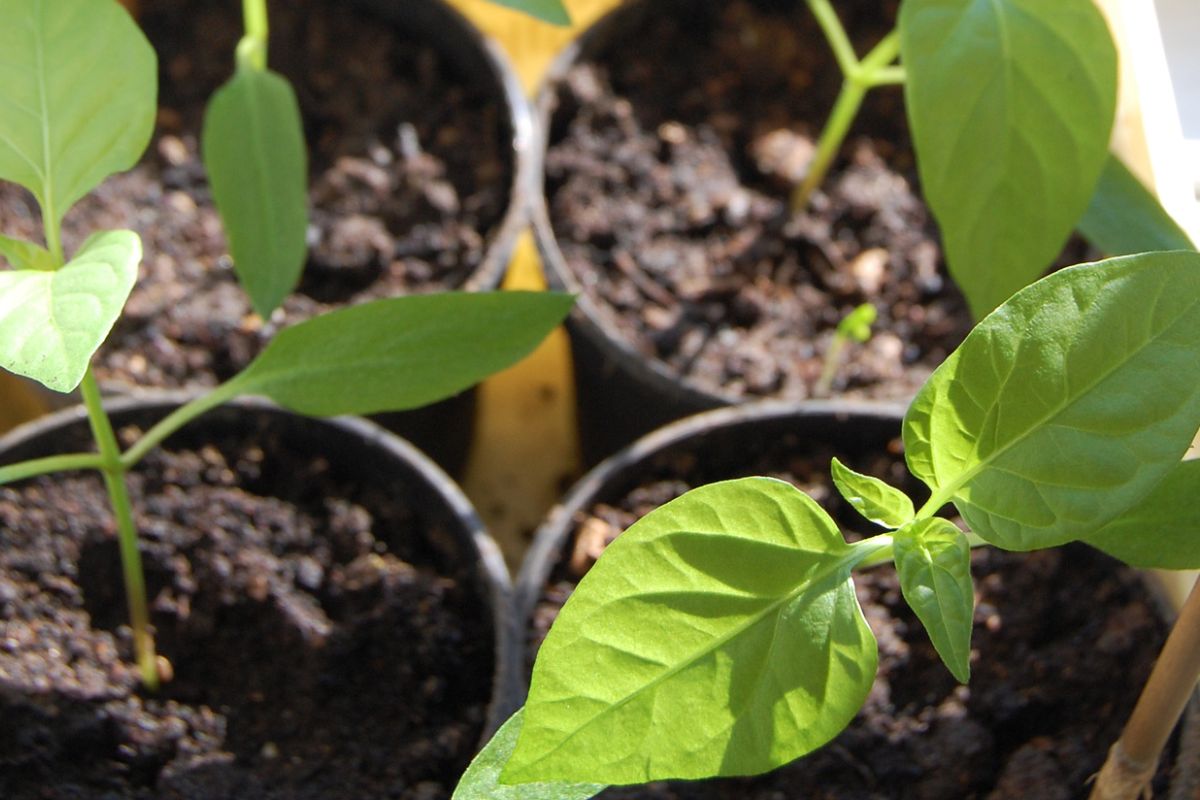
Imagine vibrant, juicy bell peppers bursting with color, not from a sprawling garden bed, but right on your patio! The idea of growing your own food, even in limited spaces, is incredibly appealing. But can you really grow bell peppers in a pot? Absolutely! With the right knowledge and care, you can successfully cultivate these delicious vegetables in containers, bringing a taste of the garden to your doorstep.
Growing Bell Peppers in Pots: A Comprehensive Guide
Growing bell peppers in pots is a rewarding experience that allows you to enjoy fresh, homegrown produce even if you don't have a traditional garden. However, it requires careful planning and attention to detail. This guide will walk you through everything you need to know, from selecting the right pot and variety to providing proper care and harvesting your bounty. We'll explore the intricacies of "Can you grow bell peppers in a pot", and how to optimize conditions to encourage a plentiful harvest.
Choosing the Right Pot for Bell Peppers
The size of the pot is crucial for successful bell pepper cultivation. Bell peppers need plenty of room for their roots to develop and support the plant's growth. Aminimum of 5 gallons is generally recommended, but a10-gallon pot or larger is even better, especially for larger bell pepper varieties. This extra space allows for more robust root development, leading to a healthier and more productive plant. Choose pots made of materials like plastic, terracotta, or fabric. Terracotta pots provide good aeration but can dry out quickly, while plastic pots retain moisture well but may overheat in direct sunlight. Fabric pots offer excellent drainage and aeration, making them a popular choice among container gardeners.
Drainage is equally important. Ensure your pot has drainage holes to prevent waterlogging, which can lead to root rot. You can also add a layer of gravel or pebbles at the bottom of the pot to further improve drainage.
Selecting the Best Bell Pepper Varieties for Container Gardening
Not all bell pepper varieties are created equal when it comes to container gardening. Some varieties are naturally more compact and well-suited for growing in pots. Consider these factors when choosing your bell pepper variety:
- Size: Opt for smaller or bush-type varieties that won't outgrow their container.
- Maturity time: Choose varieties with a shorter maturity time to ensure a quicker harvest.
- Disease resistance: Select varieties that are resistant to common bell pepper diseases, such as blossom-end rot and fungal infections.
Here are a few popular bell pepper varieties that thrive in containers:
- 'Patio Bell': A compact variety specifically bred for container gardening.
- 'Baby Bell': Produces small, sweet bell peppers that are perfect for snacking.
- 'Sweet Palermo': A long, slender bell pepper with a sweet flavor.
- 'Gypsy': An early-maturing variety that produces good yields in containers.
Consider starting your bell peppers from seed indoors 6-8 weeks before the last expected frost. This gives them a head start and allows you to choose the exact varieties you want to grow. Alternatively, you can purchase starter plants from a local nursery.
Bell Pepper Potting Mix and Soil Requirements
The right potting mix is essential for providing your bell peppers with the nutrients and drainage they need to thrive. Avoid using garden soil in containers, as it can compact and become waterlogged. Instead, opt for a high-quality, well-draining potting mix specifically formulated for container gardening. A good potting mix should contain a blend of ingredients like:
- Peat moss or coconut coir: To retain moisture.
- Perlite or vermiculite: To improve drainage and aeration.
- Compost or aged manure: To provide essential nutrients.
Bell peppers prefer slightly acidic soil with a p H of 6.0 to
6.8. You can test the p H of your potting mix using a soil testing kit and amend it if necessary. To enhance the soil and provide beneficial microbes, consider incorporating worm castings or compost tea into your potting mix.
Sunlight, Watering, and Fertilizing Bell Peppers in Pots
Bell peppers are sun-loving plants that require at least 6-8 hours of direct sunlight per day. Place your potted bell peppers in a sunny location where they will receive ample sunlight throughout the day. Insufficient sunlight can lead to stunted growth and reduced fruit production.
Watering is crucial, especially during hot and dry weather. Water your bell peppers deeply whenever the top inch of soil feels dry to the touch. Avoid overwatering, as this can lead to root rot. A good practice is to water thoroughly until water drains from the bottom of the pot. Monitor the soil moisture regularly and adjust your watering schedule as needed. Mulching around the base of the plant can help retain moisture and suppress weeds.
Bell peppers are heavy feeders and require regular fertilization to produce a good yield. Start fertilizing your bell peppers with a balanced fertilizer (e.g., 10-10-10) a few weeks after transplanting. Once the plants start flowering, switch to a fertilizer that is higher in phosphorus (the middle number) to promote fruit production. Follow the instructions on the fertilizer label carefully to avoid over-fertilizing, which can damage the plants. Consider using organic fertilizers, such as compost tea or fish emulsion, to provide a slow-release source of nutrients.
Protecting Potted Bell Peppers from Pests and Diseases
Bell peppers are susceptible to various pests and diseases, so it's important to take preventative measures to protect your plants. Common pests include aphids, spider mites, and whiteflies. These pests can suck the sap from the leaves, weakening the plant and reducing its yield. You can control these pests by spraying the plants with insecticidal soap or neem oil.
Diseases like blossom-end rot and fungal infections can also affect bell peppers. Blossom-end rot is caused by a calcium deficiency and can be prevented by ensuring the soil is properly amended with calcium. Fungal infections can be prevented by providing good air circulation and avoiding overhead watering. If you notice any signs of pests or diseases, take action immediately to prevent them from spreading.
Harvesting Your Homegrown Bell Peppers
Bell peppers are typically ready to harvest 60-90 days after transplanting, depending on the variety. The color of the bell pepper will change from green to its mature color (red, yellow, orange, or purple) when it is ripe. You can harvest bell peppers at any stage of maturity, but they will be sweetest and most flavorful when fully ripe.
To harvest a bell pepper, use a sharp knife or pruning shears to cut the stem just above the fruit. Handle the peppers carefully to avoid bruising them. Store harvested bell peppers in the refrigerator for up to a week.
Troubleshooting Common Bell Pepper Problems in Pots
Even with the best care, you may encounter some challenges when growing bell peppers in pots. Here are some common problems and how to address them:
- Blossom-end rot: Add calcium to the soil by amending with bone meal or using a calcium-rich fertilizer.
- Stunted growth: Ensure the plant is receiving enough sunlight and nutrients. Check the p H of the soil and amend if necessary.
- Lack of fruit: Hand-pollinate the flowers by gently shaking the plant or using a small brush to transfer pollen from one flower to another.
- Yellowing leaves: This could be a sign of overwatering, nutrient deficiency, or pest infestation. Adjust your watering schedule, fertilize the plant, and check for pests.
Growing bell peppers in pots is a fulfilling endeavor that brings fresh produce right to your living space. Remember that the question of "Can you grow bell peppers in a pot" is resoundingly answered with a yes, given proper care and attention.
To ensure your bell peppers are getting enough water, consider using a reliable watering system. For instance, I've found that having a dependable garden hose makes all the difference in maintaining the right moisture levels for my plants. This75 FT Garden Hose with a 10-Function Nozzle, constructed with leak-proof metal connectors, is incredibly convenient and ensures my garden gets the hydration it needs. Plus, it's kink-free and wear-resistant, making gardening tasks much easier! You can find it here: https://amzn.to/3Yv E0Ba.