There's something so comforting about a warm, hearty meal that requires minimal effort. Stuffed bell peppers are a classic for a reason – they're delicious, versatile, and packed with nutrients. But sometimes, the thought of pre-cooking rice and browning ground beef can feel like a chore. That's where the magic of the slow cooker comes in. Let's explore how to make unbelievably delicious and easy Crock Pot Stuffed Bell Peppers that practically cook themselves! Delicious and Easy Recipe for Crock Pot Stuffed Bell Peppers This recipe for Crock Pot Stuffed Bell Peppers is a game-changer for busy weeknights or lazy weekends. It simplifies the process without sacrificing any of the flavor. The slow cooker allows the flavors to meld together beautifully, resulting in tender peppers and a savory, satisfying filling. Plus, clean-up is a breeze! It's also a very forgiving dish, so feel free to adjust the ingredients to your liking. Got leftove...
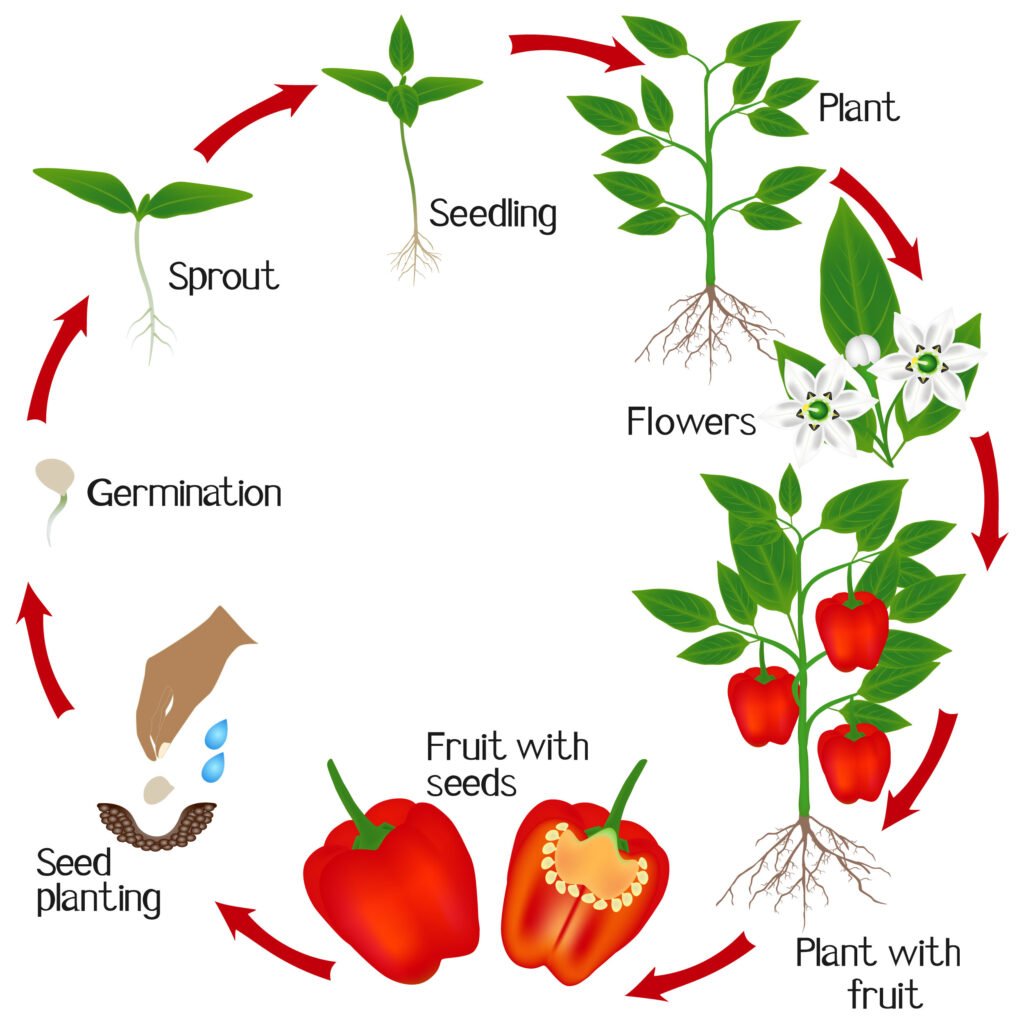
Picture this: a vibrant, sun-kissed bell pepper, crisp and juicy, plucked straight from your own garden. The satisfaction is unmatched! But the question on every gardener's mind is: how long will I have to wait to taste that sweet victory? Growing bell peppers, while rewarding, requires patience and understanding of their growth cycle. Let's dive into the juicy details of bell pepper cultivation and explore the factors that influence how long it takes to harvest those colorful fruits.
The Bell Pepper Growing Timeline: From Seed to Harvest
Understanding the bell pepper growing timeline is crucial for planning your garden and setting realistic expectations. The total time from planting the seed to harvesting a ripe bell pepper can vary significantly, but generally, you're looking at a period of60 to 90 days after transplanting seedlings into your garden. It's important to note that this timeframe can be affected by factors such as the specific bell pepper variety, climate, and overall growing conditions.
Starting Bell Peppers From Seed: The First Stage
The first step in growing bell peppers is starting them from seed. Since bell peppers require warm temperatures to germinate and thrive, it's generally best to start them indoors6 to 8 weeks before the last expected frost. This allows you to get a head start on the growing season and ensure that your seedlings are strong and healthy before transplanting them outdoors.
The Seed Germination Process
Bell pepper seeds require warm soil temperatures of70-80°F (21-27°C) to germinate effectively. You can use a heat mat to maintain a consistent soil temperature and speed up the germination process. Sow the seeds about1/4 inch deep in a well-draining seed-starting mix. Keep the soil consistently moist, but not waterlogged. Germination typically takes7-21 days, depending on the temperature and quality of the seeds.
Once the seedlings emerge, provide them with plenty of light. A sunny window or grow light is ideal. Rotate the seedlings regularly to prevent them from becoming leggy. After the seedlings have developed their first set of true leaves, you can begin fertilizing them with a diluted liquid fertilizer.
Transplanting Bell Pepper Seedlings Outdoors
Once the danger of frost has passed and the soil has warmed up to at least60°F (15°C), you can transplant your bell pepper seedlings outdoors. Choose a sunny location with well-draining soil. Before transplanting, harden off the seedlings by gradually exposing them to outdoor conditions for a week. This helps them acclimate to the sun, wind, and temperature changes. Dig holes that are slightly larger than the root balls of the seedlings and space them about 18-24 inchesapart. Water the seedlings thoroughly after transplanting. Mulching around the plants can help to retain moisture, suppress weeds, and regulate soil temperature. A good quality garden hose is essential for this stage. Consider a 75 FT Garden Hose with 10-Function Nozzle, Leak-proof Metal Connector Water Hose, which is light and easy to handle, and perfect for watering your bell pepper plants. More details about this durable metal hose can be found here:https://amzn.to/3Yv E0Bo.
Factors Affecting Bell Pepper Growth Time
Several factors can influence how long it takes for your bell pepper plants to produce mature fruits. Understanding these factors can help you optimize your growing conditions and potentially shorten the time to harvest.
Variety of Bell Pepper
Different varieties of bell peppers have different maturity times. Some varieties are bred to mature earlier than others. For example, some smaller or thinner-walled bell pepper varieties may mature faster than the larger, thicker-walled varieties. Check the seed packet or plant tag for information on the specific variety's maturity time. Here's a table of some common bell pepper varieties and their average time to maturity:
| Variety | Days to Maturity (from Transplant) |
|---|---|
| California Wonder | 75 days |
| Jupiter | 70 days |
| Ace | 65 days |
| King Arthur | 72 days |
| Gypsy | 60 days |
Climate and Weather Conditions
Bell peppers thrive in warm weather and require plenty of sunshine. The optimal temperature range for bell pepper growth is70-85°F (21-29°C) during the day and60-70°F (15-21°C) at night. Cold temperatures can stunt growth and delay fruit production. In regions with short growing seasons, it's essential to start bell pepper seedlings indoors early to maximize their growing time.
Consistent sunlight is also crucial for bell pepper growth. Aim for at least*6-8 hours of direct sunlight per day. If you live in an area with limited sunlight, you may need to supplement with grow lights. Protect your plants from extreme weather conditions, such as strong winds or heavy rain, as this could cause damage to the plants and delay maturity.
Soil Quality and Nutrition
Bell peppers require well-draining soil that is rich in organic matter. Before planting, amend the soil with compost or other organic amendments to improve its fertility and drainage. Bell peppers are heavy feeders and require regular fertilization. Use a balanced fertilizer with a ratio of5-10-10 or10-10-10. Fertilize the plants every 2-3 weeks*during the growing season. Avoid over-fertilizing, as this can lead to excessive foliage growth and delayed fruit production.
Watering Practices
Consistent watering is essential for bell pepper growth, especially during hot, dry weather. Water the plants deeply whenever the top inch of soil feels dry. Avoid overwatering, as this can lead to root rot. Mulching around the plants can help to retain moisture and reduce the need for frequent watering. Aim for about1-2 inches of water per week. The best time to water is early in the morning to allow the foliage to dry before nightfall, which can help to prevent fungal diseases.
Troubleshooting Common Bell Pepper Growing Problems
Even with the best care, bell pepper plants can sometimes encounter problems. Here are a few common issues and how to address them:
-
Blossom end rot: This is caused by a calcium deficiency and appears as a dark, sunken spot on the bottom of the fruit. Ensure consistent watering and amend the soil with calcium-rich materials like bone meal or crushed eggshells.
-
Sunscald: This occurs when the fruits are exposed to direct sunlight for extended periods, causing white or brown patches on the skin. Provide shade during the hottest part of the day, or choose varieties with dense foliage.
-
Pests: Aphids, flea beetles, and other pests can damage bell pepper plants. Monitor your plants regularly and take action promptly. Insecticidal soap or neem oil can be used to control these pests.
-
Diseases: Fungal diseases such as powdery mildew and blight can affect bell pepper plants. Ensure good air circulation around the plants and avoid overhead watering. Fungicides can be used if necessary.
Harvesting Your Bell Peppers
Knowing when to harvest your bell peppers is crucial for enjoying their best flavor and texture. Bell peppers are typically ready to harvest when they reach their mature size and color. The exact size and color will depend on the variety. For example, green bell peppers are typically harvested when they are firm and have reached their full size, but before they start to turn color. Red, yellow, and orange bell peppers are harvested when they have fully changed color and are slightly soft to the touch.
To harvest bell peppers, use a sharp knife or pruning shears to cut the stem about an inch above the fruit. Avoid pulling the fruit from the plant, as this can damage the plant. Handle the harvested bell peppers gently to avoid bruising them. Store harvested bell peppers in the refrigerator for up to a week.
Extending Your Bell Pepper Harvest
You can extend your bell pepper harvest by using season extension techniques such as row covers or cold frames. These structures can protect your plants from cold temperatures and allow you to harvest peppers for a longer period. You can also succession plant bell peppers by planting new seedlings every few weeks. This will ensure a continuous supply of peppers throughout the growing season.
Growing bell peppers can be a rewarding experience. By understanding the bell pepper growing timeline and factors that affect growth, you can increase your chances of harvesting a bountiful crop of delicious, homegrown peppers.