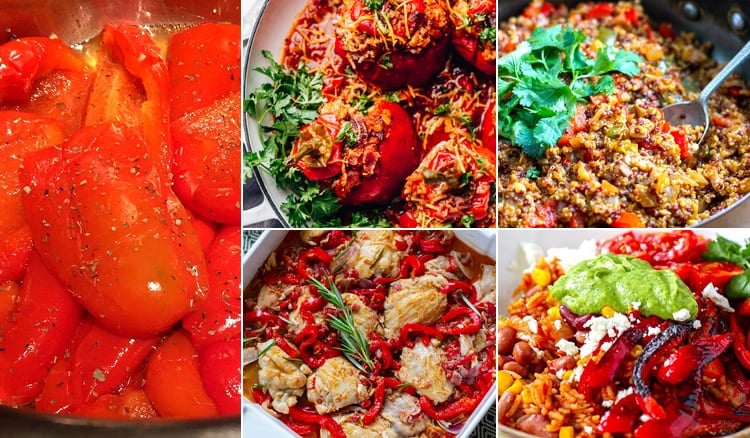
There's something so comforting about a warm, hearty meal that requires minimal effort. Stuffed bell peppers are a classic for a reason – they're delicious, versatile, and packed with nutrients. But sometimes, the thought of pre-cooking rice and browning ground beef can feel like a chore. That's where the magic of the slow cooker comes in. Let's explore how to make unbelievably delicious and easy Crock Pot Stuffed Bell Peppers that practically cook themselves! Delicious and Easy Recipe for Crock Pot Stuffed Bell Peppers This recipe for Crock Pot Stuffed Bell Peppers is a game-changer for busy weeknights or lazy weekends. It simplifies the process without sacrificing any of the flavor. The slow cooker allows the flavors to meld together beautifully, resulting in tender peppers and a savory, satisfying filling. Plus, clean-up is a breeze! It's also a very forgiving dish, so feel free to adjust the ingredients to your liking. Got leftove...
Imagine plucking a perfectly ripe, vibrant bell pepper right from your patio, ready to be sliced into a salad or stuffed for dinner. Growing your own food, even in a small space, is incredibly rewarding. And what's easier than growing bell peppers? Bell peppers are a great option and can thrive in pots with just a little know-how. Let's dive into the wonderful world of growing bell peppers in pots!
Bell Peppers in a Pot: A Comprehensive Guide
Growingbell peppers in pots is a fantastic way to enjoy fresh, homegrown produce, even if you don't have a traditional garden. It's also a great way to control the growing environment and protect your plants from pests and diseases. This comprehensive guide will walk you through everything you need to know, from selecting the right pot and soil to providing the proper care and harvesting your delicious peppers.
Choosing the Right Bell Pepper Variety for Container Gardening
Not all bell pepper varieties are created equal when it comes to container gardening. Some grow taller and require more support, while others are more compact and better suited for pots. When selecting your pepper plants, consider these factors:
Size: Look for compact or dwarf varietiesthat won't outgrow their container. Popular choices include 'Patio Baby', 'Mini Bell', and 'Lunchbox'. Days to Maturity: Shorter growing seasons often benefit from varieties that mature quickly. Yield: Some smaller varieties still produce a surprising number of peppers! Research the expected yield before making your choice. Color: While green bell peppers are the most common, you can also grow red, yellow, orange, and even purple peppers in pots. Choose your favorites for a colorful harvest!
Here's a small table highlighting some excellent bell pepper varieties for container gardening:
| Variety | Size | Color | Days to Maturity | Notes |
|---|---|---|---|---|
| ---------------- | -------- | ------- | ---------------- | --------------------------------------------------------- |
| Patio Baby | Compact | Red | 50-60 | Excellent for small spaces, very productive. |
| Mini Bell | Compact | Mixed | 60-70 | Produces an array of colorful mini peppers. |
| Lunchbox | Compact | Mixed | 70-80 | Sweet and snackable peppers, perfect for kids' lunches. |
| Better Belle F1 | Medium | Green/Red | 70-75 | Good for larger pots, reliable and disease-resistant. |
Selecting the Ideal Pot and Soil for Your Bell Peppers
The success of yourbell peppers in pots hinges on choosing the right container and soil. Here’s what to consider:
Pot Size: A pot that is at least 12 inches in diameter and depthis recommended for each pepper plant. Larger pots (15-20 inches) are even better, as they provide more room for root growth and help retain moisture.
Material:Pots can be made from various materials, including plastic, terracotta, and ceramic. Plastic pots are lightweight and retain moisture well, but they can overheat in direct sunlight. Terracotta pots are porous and allow for better drainage, but they dry out more quickly. Ceramic pots offer a good balance of both.
Drainage: Ensure your pot has plenty of drainage holesto prevent waterlogging, which can lead to root rot.
Soil:Use a high-quality potting mixspecifically designed for containers. Avoid using garden soil, as it can become compacted and doesn't drain well in pots. A good potting mix should be lightweight, well-draining, and rich in organic matter. Consider adding compost or aged manure to further enrich the soil.
Fact:Bell peppers are heavy feeders, meaning they require a lot of nutrients to thrive. Incorporating a slow-release fertilizer into the potting mix at planting time will provide a steady supply of nutrients throughout the growing season.
When growing plants, you'll need a great way to water them, consider using this amazing75 FT Garden Hose with a 10-Function Nozzle for your backyard gardening needs. The75-foot water hose is a high-quality hose that offers a versatile solution for your watering needs. It features a 10-function nozzle, leak-proof metal connectors, and a kink-free design, making it an ideal choice for gardens, yards, and outdoor spaces. Check it out here: https://amzn.to/3Yv E0Bo
Planting and Caring for Your Potted Bell Peppers
Once you have your pot and soil ready, it's time to plant your bell pepper seedlings. Here’s a step-by-step guide:
1.Fill the pot: Fill the pot with potting mix, leaving a few inches of space at the top.
2.Dig a hole: Dig a hole in the center of the pot that is large enough to accommodate the root ball of the pepper plant.
3.Gently remove the plant: Carefully remove the pepper plant from its container and gently loosen the roots.
4.Place the plant: Place the pepper plant in the hole and fill in around the roots with potting mix.
5.Water thoroughly: Water the plant thoroughly until water drains out of the drainage holes.
6.Add support (optional): If you're growing a taller variety, you may need to add a stake or tomato cage for support.
After planting, yourbell peppers in a pot will need regular care to thrive. This includes:
Watering: Water deeply whenever the top inch of soil feels dry to the touch. Avoid overwatering, as this can lead to root rot. Fertilizing: Feed your pepper plants with a balanced fertilizer every 2-3 weeks. Sunlight: Bell peppers need at least 6-8 hours of sunlight per day. Place your pots in a sunny location. Pruning: Pruning is generally not necessary for bell peppers in pots, but you can remove any yellowing or dead leaves. Pest and Disease Control:Keep an eye out for pests and diseases, such as aphids, whiteflies, and blossom-end rot. Treat any problems promptly with appropriate organic pest control methods. Blossom-end rot is often caused by calcium deficiency.
Troubleshooting Common Problems with Bell Peppers in Pots
Even with the best care, you may encounter some problems when growingbell peppers in pots. Here are some common issues and how to address them:
Blossom-End Rot: This condition causes the bottom of the pepper to rot and turn black. It is often caused by calcium deficiency or inconsistent watering. To prevent blossom-end rot, ensure your soil is rich in calcium and water regularly and deeply.
Aphids: These tiny insects can suck the sap from your pepper plants, causing them to weaken and become stunted. Control aphids with insecticidal soap or by introducing beneficial insects like ladybugs.
Whiteflies: These small, white insects can also damage your pepper plants by sucking their sap. Control whiteflies with insecticidal soap or by using yellow sticky traps.
Stunted Growth: If your pepper plants are not growing well, it could be due to a lack of nutrients, insufficient sunlight, or poor drainage. Make sure your plants are getting enough sunlight and fertilizer, and that your pots have adequate drainage.
Case Study: A local gardener was struggling with blossom-end rot on her potted bell peppers. After testing her soil, she discovered a calcium deficiency. She amended the soil with bone meal and started watering more consistently, and the blossom-end rot disappeared within a few weeks.
Harvesting Your Potted Bell Peppers
Harvest time is the most rewarding part of growingbell peppers in pots! Peppers are usually ready to harvest 60-90 days after transplanting, depending on the variety. Here's how to tell when your peppers are ripe:
Color: The peppers should be fully colored (green, red, yellow, orange, or purple) and glossy. Firmness: The peppers should be firm to the touch. Size:The peppers should be the size specified for the variety.
To harvest your peppers, use a sharp knife or scissors to cut the stem just above the pepper. Avoid pulling the pepper off the plant, as this can damage the plant.
Fact: Bell peppers are a good source of vitamins A and C, as well as fiber and antioxidants.
Extending the Bell Pepper Growing Season in Pots
To maximize your harvest, consider these strategies for extending the growing season of yourbell peppers in pots:
Start seeds indoors: Start your pepper seeds indoors 6-8 weeks before the last expected frost to get a head start on the growing season. Use a cold frame or greenhouse: If you live in a colder climate, you can use a cold frame or greenhouse to protect your pepper plants from frost and extend the growing season. Move pots indoors:When temperatures drop in the fall, you can move your pots indoors to a sunny location to continue harvesting peppers.
In conclusion, growingbell peppers in a pot is an achievable and satisfying experience for any gardener, regardless of space. By following these guidelines on selecting varieties, providing the proper care, and addressing common issues, you'll be well on your way to enjoying a bountiful harvest of fresh, homegrown bell peppers right from your patio or balcony!