There's something so comforting about a warm, hearty meal that requires minimal effort. Stuffed bell peppers are a classic for a reason – they're delicious, versatile, and packed with nutrients. But sometimes, the thought of pre-cooking rice and browning ground beef can feel like a chore. That's where the magic of the slow cooker comes in. Let's explore how to make unbelievably delicious and easy Crock Pot Stuffed Bell Peppers that practically cook themselves! Delicious and Easy Recipe for Crock Pot Stuffed Bell Peppers This recipe for Crock Pot Stuffed Bell Peppers is a game-changer for busy weeknights or lazy weekends. It simplifies the process without sacrificing any of the flavor. The slow cooker allows the flavors to meld together beautifully, resulting in tender peppers and a savory, satisfying filling. Plus, clean-up is a breeze! It's also a very forgiving dish, so feel free to adjust the ingredients to your liking. Got leftove...
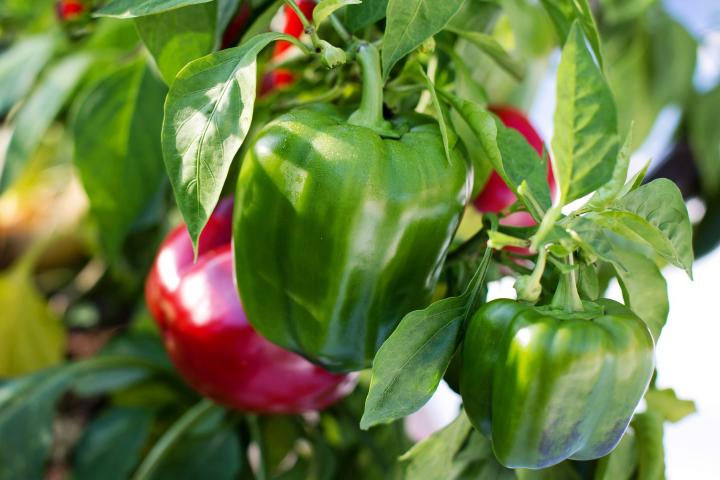
Dreaming of crisp, colorful bell peppers fresh from your garden? You're not alone! But before you start digging, knowingwhento plant these sunshine-loving veggies is crucial for a bountiful harvest. Getting the timing right is the secret to plump, juicy peppers bursting with flavor. Let's dive into everything you need to know aboutwhen to plant bell peppers and set yourself up for pepper success.
Bell Pepper Planting Time: A Comprehensive Guide
Understanding Bell Pepper Growing Needs
Bell peppers are warm-season crops, which means they thrive in warm temperatures and plenty of sunlight. They are sensitive to frost and cold temperatures, so timing your planting correctly is essential. Before even consideringwhen to put bell peppers in the ground, it’s important to understand their basic needs. Bell peppers need approximately 6-8 hours of sunlight each day to grow. They also prefer well-draining soil that is rich in organic matter. Soil temperature is extremely important for germination and growth.
Here’s a quick recap of what bell peppers need to thrive:
- Sunlight: 6-8 hours per day
- Soil: Well-draining, rich in organic matter, slightly acidic (p H 6.0-6.8)
- Temperature: Optimal growing temperatures are between 70°F and 85°F
- Watering: Consistent watering is essential, especially during hot weather
Remember to always check your local weather forecast before planting, as unexpected cold snaps can damage young pepper plants. Before you begin planting, it's worth noting that having a reliablegarden hose can significantly improve your gardening experience. Consider the Garden Hose 75 FT with 10-Function Nozzle, Leak-proof Metal Connector Water Hose, No Knots, Kink-Free, Lighter, Anti-Pets, Wear-Resistant, 3/4 GHT, Metal Hose for Garden, Yard, Outdoor as a great option to keep your garden hydrated: https://amzn.to/3Yv E0Bo.
When Is the Best Time to Plant Bell Peppers?
The most important rule of thumb for knowingwhen to plant your bell peppersis to wait until after the last expected frost in your area. Bell peppers are extremely sensitive to frost, and even a light frost can damage or kill young plants. Soil temperature is also crucial; it should be consistently above 60°F (15°C) before planting. Generally, this means planting after the risk of frost has passed and the soil has warmed up.
Determining Your Last Frost Date
The first step in figuring outwhen to plant bell pepper is finding out your average last frost date. You can find this information online through your local agricultural extension office or by searching online for "[your location] last frost date." This date is just an estimate, so it’s always a good idea to monitor the weather forecast closely and be prepared to protect your plants if a late frost is predicted.
Here’s how to determine when you can begin planting bell peppers:
- Find your average last frost date: Use local resources to identify this date.
- Monitor the weather: Keep an eye on the forecast for any unexpected cold snaps.
- Check the soil temperature: Ensure the soil is consistently above 60°F (15°C).
Planting Bell Peppers Based on Climate Zones
The ideal time to plant bell peppers will vary depending on your climate zone. Here’s a general guideline:
- Cool Climates: Start seeds indoors 6-8 weeks before the last expected frost. Transplant seedlings outdoors 1-2 weeks after the last frost, once the soil has warmed up.
- Temperate Climates: Start seeds indoors 4-6 weeks before the last expected frost. Transplant seedlings outdoors shortly after the last frost.
- Warm Climates: In areas with mild winters, you can start seeds indoors or directly sow them into the garden after the last frost.
Starting Bell Peppers from Seed
Starting bell peppers from seed gives you more control over the growing process and allows you to choose from a wider variety of pepper types. However, it also requires more time and effort. The best timing for starting the bell pepper seeds is 6-8 weeks before the last expected frost.
Indoor Seed Starting
When starting seeds indoors, use a seed-starting mix that is light and well-draining. Sow the seeds about ¼ inch deep in small pots or seed trays. Keep the soil consistently moist but not waterlogged. Provide supplemental lighting with grow lights to ensure the seedlings receive enough light. Maintain a temperature of 70-80°F (21-27°C) for optimal germination. Once the seedlings have developed their first true leaves, transplant them into larger pots.
Hardening Off Seedlings
Before transplanting your seedlings outdoors, you need to harden them off. This process gradually acclimates the plants to outdoor conditions, making them more resilient. Start by placing the seedlings outdoors in a sheltered location for an hour or two each day, gradually increasing the amount of time they spend outside. Protect them from direct sunlight and wind. After a week or two, they should be ready to be transplanted into the garden.
Transplanting Bell Peppers Outdoors
Once the risk of frost has passed and the soil has warmed up, it’s time to transplant your bell pepper seedlings into the garden. Choose a sunny location with well-draining soil. Before transplanting, amend the soil with compost or other organic matter to improve its fertility and drainage. Space the plants 18-24 inches apart to allow for adequate air circulation and growth.
Transplanting Steps
Follow these steps when transplanting bell peppers:
- Dig a hole that is slightly larger than the root ball of the seedling.
- Carefully remove the seedling from its pot, being careful not to damage the roots.
- Place the seedling in the hole and backfill with soil.
- Gently firm the soil around the base of the plant.
- Water thoroughly.
Protecting Newly Transplanted Seedlings
Newly transplanted seedlings are vulnerable to pests, diseases, and harsh weather conditions. Protect them with row covers or cloches for the first few weeks. Water regularly, especially during dry spells. Fertilize with a balanced fertilizer according to package directions. Monitor the plants for signs of pests or diseases and take action promptly if necessary.
Tips for Growing Healthy Bell Peppers
Here are some additional tips for growing healthy and productive bell peppers:
- Water deeply and regularly: Bell peppers need consistent moisture to thrive. Water deeply at the base of the plant, avoiding wetting the foliage.
- Mulch: Apply a layer of mulch around the base of the plants to conserve moisture, suppress weeds, and regulate soil temperature.
- Fertilize: Bell peppers are heavy feeders and benefit from regular fertilization. Use a balanced fertilizer or a fertilizer specifically formulated for peppers.
- Support: As the plants grow and produce fruit, they may need support to prevent the branches from breaking. Use stakes or cages to support the plants.
- Pest and Disease Control: Monitor the plants for signs of pests or diseases and take action promptly if necessary. Common pests of bell peppers include aphids, flea beetles, and pepper hornworms. Common diseases include blossom-end rot and fungal leaf spots.
Troubleshooting Common Bell Pepper Problems
Even with the best care, bell peppers can sometimes encounter problems. Here are some common issues and how to address them:
- Blossom-End Rot: This is caused by a calcium deficiency. Ensure the soil has adequate calcium and water consistently to help the plants absorb calcium.
- Poor Fruit Set: This can be caused by temperature extremes or inadequate pollination. Provide shade during hot weather and attract pollinators to the garden.
- Pest Infestations: Identify the pest and use appropriate control measures, such as insecticidal soap or neem oil.
- Disease: Remove infected foliage and use a fungicide if necessary. Provide good air circulation to prevent fungal diseases.
By understanding*when to plant your bell peppers, providing proper care, and addressing any problems promptly, you can enjoy a bountiful harvest of delicious, colorful peppers!