There's something so comforting about a warm, hearty meal that requires minimal effort. Stuffed bell peppers are a classic for a reason – they're delicious, versatile, and packed with nutrients. But sometimes, the thought of pre-cooking rice and browning ground beef can feel like a chore. That's where the magic of the slow cooker comes in. Let's explore how to make unbelievably delicious and easy Crock Pot Stuffed Bell Peppers that practically cook themselves! Delicious and Easy Recipe for Crock Pot Stuffed Bell Peppers This recipe for Crock Pot Stuffed Bell Peppers is a game-changer for busy weeknights or lazy weekends. It simplifies the process without sacrificing any of the flavor. The slow cooker allows the flavors to meld together beautifully, resulting in tender peppers and a savory, satisfying filling. Plus, clean-up is a breeze! It's also a very forgiving dish, so feel free to adjust the ingredients to your liking. Got leftove...
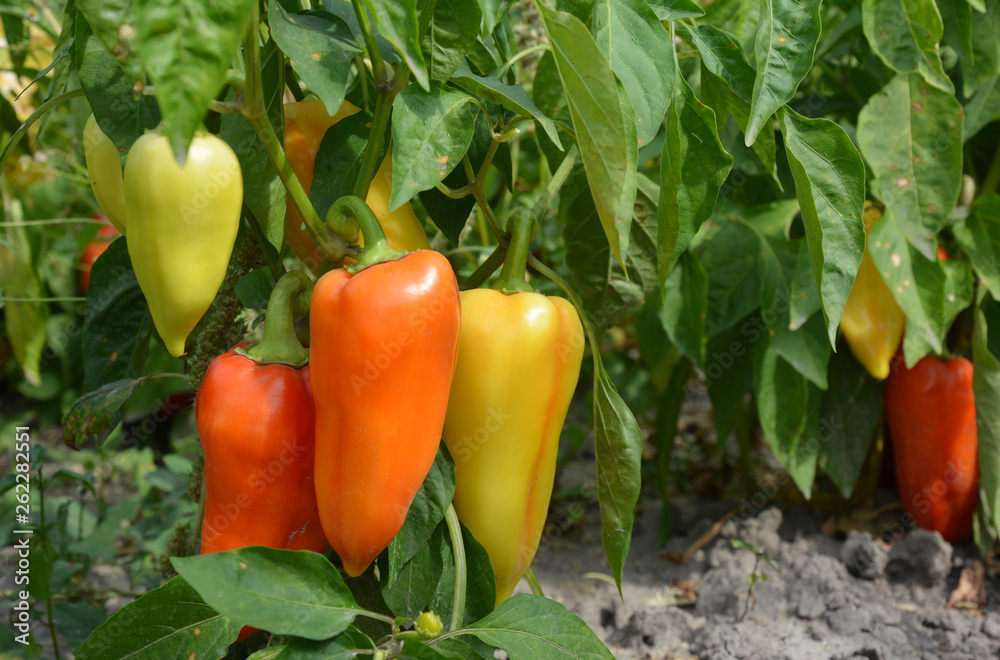
Imagine biting into a crisp, juicy sweet bell pepper straight from your own garden. The vibrant colors, the satisfying crunch, and the burst of flavor – it's an experience worth pursuing. And the best part? Growing your own sweet bell peppers is easier than you might think! Let's get started on your journey to a bountiful bell pepper harvest.
The Joy of Planting Sweet Bell Peppers
Planting sweet bell peppers is a rewarding experience for any gardener, whether you're a seasoned pro or just starting out. These versatile vegetables add vibrant color and delicious flavor to your meals. From stuffing them with savory fillings to adding them to salads and stir-fries, sweet bell peppers offer endless culinary possibilities. But before you can enjoy the fruits (or rather, vegetables) of your labor, you need to know the basics of successfully planting and growing them.
Choosing the Right Sweet Bell Pepper Varieties
The world of sweet bell peppers is surprisingly diverse. From classic green bells to vibrant reds, yellows, and oranges, there's a variety to suit every taste and preference. When choosing which sweet bell pepper seeds or seedlings to plant, consider factors such as your local climate, available space, and desired flavor profile.
Popular Bell Pepper Varieties:
- California Wonder: This is the classic green bell pepper, known for its thick walls and mild flavor.
- Yolo Wonder: A hybrid variety similar to California Wonder, but with improved disease resistance.
- Red Knight: A sweet, red bell pepper with a slightly blocky shape. It matures earlier than some other red varieties.
- Golden Bell: A bright yellow bell pepper with a sweet, fruity flavor.
- Purple Beauty: A visually stunning purple bell pepper that turns green when cooked.
- Chocolate Bell: An unusual dark brown bell pepper that offers a unique flavor profile.
When browsing different varieties, pay attention to the days to maturity listed on the seed packet or plant tag. This will give you an idea of how long it will take for the peppers to ripen after planting. Choose varieties that are well-suited to your growing season. Consider starting seeds indoors if your growing season is short.
Optimal Timing for Planting Bell Peppers
Timing is crucial when planting bell peppers. These warm-season vegetables are sensitive to frost and require warm soil and air temperatures to thrive. Planting too early can stunt their growth or even kill them. Ideally, you should plant your bell pepper seedlings outdoors after the last expected frost, when the soil temperature has warmed to at least 60°F (15°C). Even better is waiting until the soil reaches 70°F (21°C).
Starting Seeds Indoors:
If you live in an area with a short growing season, starting your sweet bell pepper seeds indoors is a great way to get a head start. Start seeds 6-8 weeks before the last expected frost. Use a seed-starting mix and plant seeds about ¼ inch deep. Keep the soil consistently moist and provide plenty of light, either from a sunny window or grow lights. Once the seedlings have developed several sets of true leaves and the weather has warmed up, you can transplant them outdoors.
Hardening Off Seedlings:
Before transplanting your seedlings outdoors, it's essential to harden them off. This process gradually acclimates the plants to the outdoor environment, reducing the risk of shock. Start by placing the seedlings outdoors in a sheltered location for a few hours each day, gradually increasing the amount of time they spend outside over a week or two. This prepares your sweet bell pepper plants to endure the fluctuating conditions outdoors.
Preparing the Soil for Your Bell Peppers
Sweet bell peppers thrive in well-drained, fertile soil with a slightly acidic p H of 6.0 to
6.8. Before planting, amend the soil with plenty of organic matter, such as compost or well-rotted manure. This will improve drainage, increase nutrient availability, and provide a healthy environment for the roots to grow.
Soil Amendments:
- Compost: A rich source of nutrients and organic matter, compost improves soil structure and water retention.
- Well-rotted Manure: Provides essential nutrients and improves soil fertility. Be sure to use well-rotted manure to avoid burning the roots of your plants.
- Peat Moss: Improves soil aeration and water retention.
- Bone Meal: A good source of phosphorus, which promotes root development.
Consider using raised beds or containers if your soil is heavy clay or poorly drained. Raised beds provide better drainage and allow you to control the soil composition. Containers are a great option for gardeners with limited space. For the best watering experience, consider using a reliable Garden Hose 75 FT with 10-Function Nozzle, the heavy-duty gardening hose, available at https://amzn.to/3Yv E0Bo, which has leak-proof metal connectors.
Planting Your Bell Pepper Seedlings
Once the soil is prepared and the weather is warm, it's time to plant your sweet bell pepper seedlings. Space the plants 18-24 inches apart in rows that are 24-36 inches apart. Dig a hole that is slightly larger than the root ball of the seedling and gently loosen the roots before placing it in the hole. Backfill with soil and water thoroughly.
Planting Tips:
- Choose a sunny location: Sweet bell peppers need at least 6-8 hours of sunlight per day to thrive.
- Water deeply: Water the plants thoroughly after planting to help them establish strong roots.
- Mulch: Apply a layer of mulch around the plants to help retain moisture, suppress weeds, and regulate soil temperature. Straw, wood chips, or shredded leaves make excellent mulches.
- Stake or cage: As the plants grow, they may become heavy with fruit and require support. Use stakes or cages to prevent the branches from breaking.
Caring for Your Sweet Bell Pepper Plants
Once your sweet bell pepper plants are in the ground, regular care is essential for a bountiful harvest. This includes watering, fertilizing, and pest control.
Watering:
Bell peppers need consistent moisture to thrive. Water deeply and regularly, especially during hot, dry weather. Aim to keep the soil consistently moist, but not waterlogged. Avoid overhead watering, as this can promote fungal diseases. Drip irrigation or soaker hoses are excellent options for delivering water directly to the roots of the plants.
Fertilizing:
Bell peppers are heavy feeders and benefit from regular fertilization. Use a balanced fertilizer with a ratio of 5-10-10 or 10-10-10. Apply fertilizer every 2-3 weeks throughout the growing season. You can also supplement with organic fertilizers, such as compost tea or fish emulsion.
Pest and Disease Control:
Bell peppers can be susceptible to various pests and diseases. Common pests include aphids, flea beetles, and tomato hornworms. Common diseases include blossom end rot, powdery mildew, and bacterial leaf spot. Regularly inspect your plants for signs of pests or diseases and take action promptly. Use organic pest control methods whenever possible, such as insecticidal soap, neem oil, or Bacillus thuringiensis (Bt).
Common Bell Pepper Problems and Solutions:
| Problem | Possible Cause | Solution |
|---|---|---|
| Blossom End Rot | Calcium deficiency due to inconsistent watering. | Maintain consistent watering; add calcium to soil (bone meal, crushed eggshells). |
| Aphids | Infestation of small sap-sucking insects. | Spray with insecticidal soap or neem oil; introduce ladybugs. |
| Sun Scald | Overexposure to sunlight | Provide shade during peak sunlight hours; ensure adequate foliage cover. |
Harvesting Your Sweet Bell Peppers
The moment you've been waiting for! Sweet bell peppers are typically ready to harvest 60-90 days after transplanting, depending on the variety. The peppers should be firm, smooth, and brightly colored. Use pruning shears or a sharp knife to cut the peppers from the plant, leaving a short stem attached.
Harvesting Tips:
- Harvest regularly: Harvesting peppers regularly encourages the plant to produce more fruit.
- Harvest at different stages of ripeness: Green bell peppers are typically harvested before they are fully ripe, while red, yellow, and orange peppers are harvested when they are fully colored.
- Store properly: Store harvested peppers in the refrigerator for up to two weeks.
With a little care and attention, you can enjoy a bountiful harvest of delicious, homegrown sweet bell peppers. Happy planting!