There's something so comforting about a warm, hearty meal that requires minimal effort. Stuffed bell peppers are a classic for a reason – they're delicious, versatile, and packed with nutrients. But sometimes, the thought of pre-cooking rice and browning ground beef can feel like a chore. That's where the magic of the slow cooker comes in. Let's explore how to make unbelievably delicious and easy Crock Pot Stuffed Bell Peppers that practically cook themselves! Delicious and Easy Recipe for Crock Pot Stuffed Bell Peppers This recipe for Crock Pot Stuffed Bell Peppers is a game-changer for busy weeknights or lazy weekends. It simplifies the process without sacrificing any of the flavor. The slow cooker allows the flavors to meld together beautifully, resulting in tender peppers and a savory, satisfying filling. Plus, clean-up is a breeze! It's also a very forgiving dish, so feel free to adjust the ingredients to your liking. Got leftove...
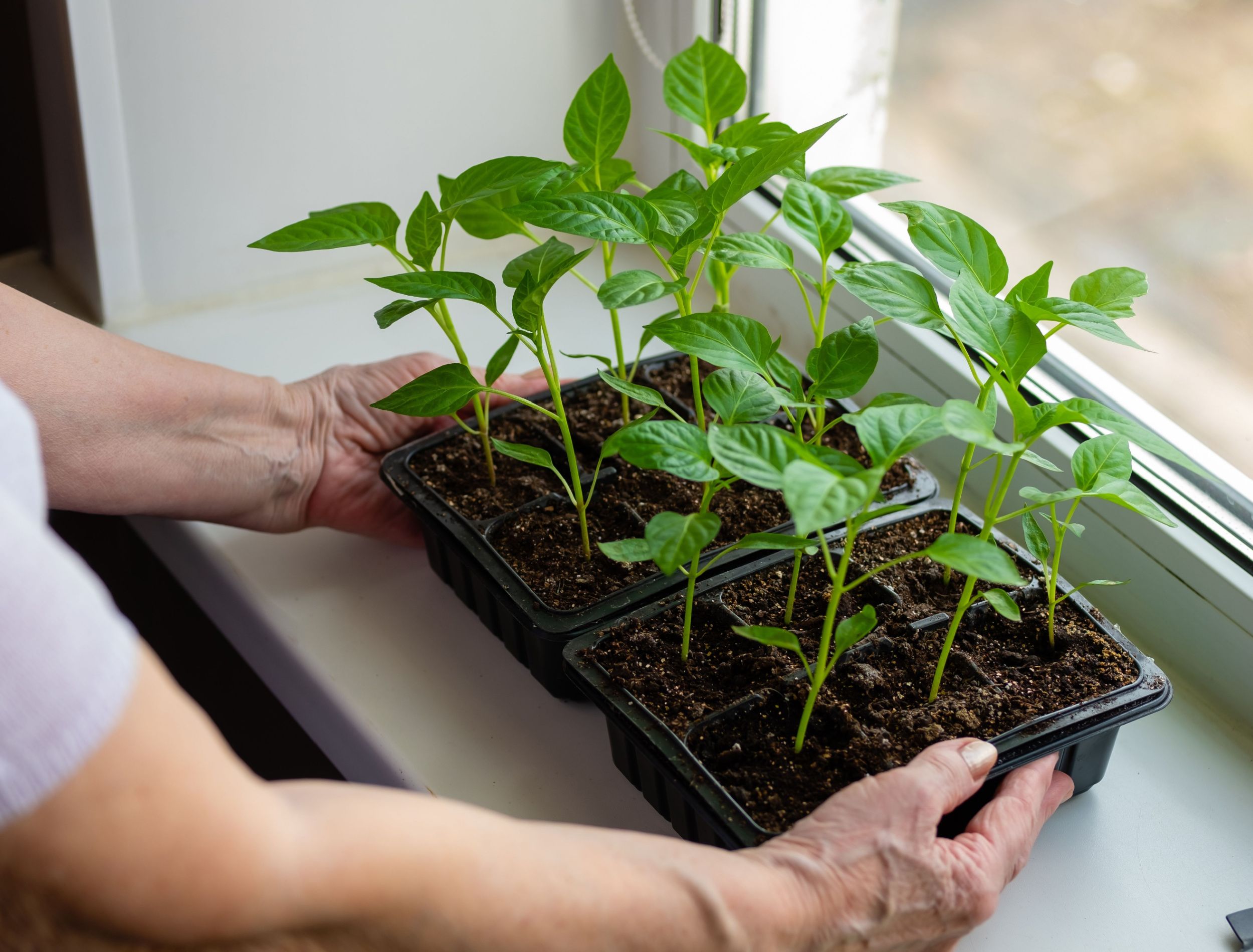
So, you've got those vibrant bell pepper seedlings ready to go in the ground, huh? Awesome! But before you just plop them in, let's talk about a crucial step that can make or break your pepper-growing success: planting depth. Believe it or not, getting this right is essential for strong roots, healthy growth, and ultimately, a bountiful harvest of those sweet, crunchy peppers. We'll guide you through the ins and outs of planting bell peppers at the perfect depth.
Planting Bell Peppers: Getting the Depth Right
One of the most frequent questions asked by beginner gardeners is "How deep should I plant bell peppers?". When you're setting out your pepper plants, aiming for the right depth ensures they establish themselves quickly and thrive throughout the growing season. Planting them too deep can lead to stem rot and other fungal diseases, while planting them too shallow can leave their roots exposed and vulnerable to drying out.
Determining the Ideal Planting Depth for Bell Peppers
The magic number? Plant your bell peppers at thesame depth they were growing in their original containers. It sounds simple, but it's a golden rule. Here's why:
- Root Development: Planting at the original depth allows the root system to expand naturally without struggling to reach the surface or being suffocated by too much soil.
- Stem Rot Prevention: Burying the stem too deep increases the risk of stem rot, a fungal disease that can kill young pepper plants.
- Optimized Growth: Consistent moisture and temperature levels around the roots, achieved through proper depth, promote vigorous growth and fruit production.
Think of it this way: you're providing a seamless transition from their cozy container environment to their new home in your garden. No surprises, no shocks, just smooth sailing for healthy peppers.
Step-by-Step Guide to Planting Bell Peppers at the Correct Depth
Alright, let's get down to the nitty-gritty. Here's a step-by-step guide to ensure you plant your bell peppers at just the right depth:
- Prepare the Soil: Choose a sunny spot in your garden with well-draining soil. Amend the soil with compost or other organic matter to improve fertility and drainage.
- Dig the Hole: Dig a hole that is as deep and slightly wider than the container your pepper plant is currently in.
- Gently Remove the Plant: Gently squeeze the sides of the container and carefully slide the pepper plant out. Be extra gentle to avoid disturbing the roots. If the plant is root-bound (roots circling the bottom of the container), gently loosen the roots with your fingers.
- Position the Plant: Place the pepper plant in the hole, ensuring that the top of the root ball is level with the surrounding soil surface. The goal is for the soil level in the container to be even with the soil level in your garden bed.
- Backfill the Hole: Fill in the hole with soil, gently patting it down around the base of the plant. Avoid compacting the soil too much.
- Water Thoroughly: Water the newly planted pepper plant deeply to help settle the soil and encourage root growth.
- Mulch (Optional): Add a layer of mulch around the base of the plant to help retain moisture, suppress weeds, and regulate soil temperature.
It's worth mentioning that sometimes, pepper plants can get a little leggy in their containers, especially if they weren't getting enough light. In these cases, youcanbury the stem a little deeper – up to the first set of leaves. The buried stem will actually sprout new roots, giving the plant a stronger foundation. But generally speaking, sticking to the original depth is the safest bet.
What about Leggy Bell Pepper Plants?
As mentioned earlier, what do you do if your bell pepper seedlings are a bit on the tall and spindly side? This often happens when seedlings don't get enough light and stretch towards the nearest source. Here's the good news: bell peppers, like tomatoes, can form roots along their stems. This means you can, in fact, plant a leggy pepper plant deeper than its original container depth. Here's how to do it safely:
- Carefully remove the lower leaves: Gently pinch or snip off the leaves that will be below the soil line.
- Dig a deeper hole: Dig a hole deep enough to bury the stem up to the first set of remaining leaves.
- Plant and backfill: Place the plant in the hole and gently backfill with soil, making sure the stem is supported.
- Water well: Water thoroughly to settle the soil and encourage root growth.
By burying the stem, you encourage it to send out new roots, creating a stronger, more stable plant. This can be a great way to rescue leggy seedlings and give them a better start in your garden.
Troubleshooting Common Planting Depth Issues with Bell Peppers
Even with the best intentions, things can sometimes go awry. Here are some common issues related to planting depth and how to address them:
- Planting Too Deep: Signs include yellowing leaves, stunted growth, and potential stem rot. If you suspect you've planted too deep, gently dig up the plant and replant it at the correct depth.
- Planting Too Shallow: Signs include exposed roots, wilting leaves, and slow growth. If you notice these signs, gently add more soil around the base of the plant to cover the roots.
- Poor Soil Drainage: If your soil doesn't drain well, even planting at the correct depth can lead to root rot. Amend your soil with compost or other organic matter to improve drainage.
Regularly inspect your bell pepper plants for any signs of distress. Early detection and correction can prevent serious problems and ensure a healthy harvest.
Taking extra care with the water you use can also make a huge difference in your garden. For watering efficiently and effectively, you could consider using a reliable water hose. There are many options, such as a great Garden Watering Hose that extends to 75 FT, featuring a 10-Function Nozzle and durable, Leak-proof Metal Connectors. This Water Hose for Gardening is designed to be No Kink, and even Anti-Pet, which can be a lifesaver in the garden: https://amzn.to/3Yv E0Bo
Optimizing Bell Pepper Growth After Planting
Planting at the correct depth is only the first step. To ensure your bell peppers thrive, you need to provide them with the right care throughout the growing season. Here are some key factors to consider:
- Sunlight: Bell peppers need at least 6-8 hours of direct sunlight per day.
- Watering: Water deeply and regularly, especially during hot, dry weather. Avoid overwatering, as this can lead to root rot.
- Fertilizing: Fertilize your pepper plants regularly with a balanced fertilizer.
- Pest and Disease Control: Monitor your plants for pests and diseases and take action promptly if necessary.
- Support: As your pepper plants grow and produce fruit, they may need support to prevent the branches from breaking. Use stakes or cages to provide support.
By providing your bell peppers with the right care, you'll be rewarded with a bountiful harvest of delicious, colorful peppers.
Conclusion: The Depth of Your Success
Planting bell peppers at the right depth is more than just a minor detail; it's a fundamental step towards a successful harvest. By understanding the importance of depth and following these simple guidelines, you'll give your pepper plants the best possible start. So get out there, get your hands dirty, and enjoy the rewarding experience of growing your own delicious bell peppers!