There's something so comforting about a warm, hearty meal that requires minimal effort. Stuffed bell peppers are a classic for a reason – they're delicious, versatile, and packed with nutrients. But sometimes, the thought of pre-cooking rice and browning ground beef can feel like a chore. That's where the magic of the slow cooker comes in. Let's explore how to make unbelievably delicious and easy Crock Pot Stuffed Bell Peppers that practically cook themselves! Delicious and Easy Recipe for Crock Pot Stuffed Bell Peppers This recipe for Crock Pot Stuffed Bell Peppers is a game-changer for busy weeknights or lazy weekends. It simplifies the process without sacrificing any of the flavor. The slow cooker allows the flavors to meld together beautifully, resulting in tender peppers and a savory, satisfying filling. Plus, clean-up is a breeze! It's also a very forgiving dish, so feel free to adjust the ingredients to your liking. Got leftove...
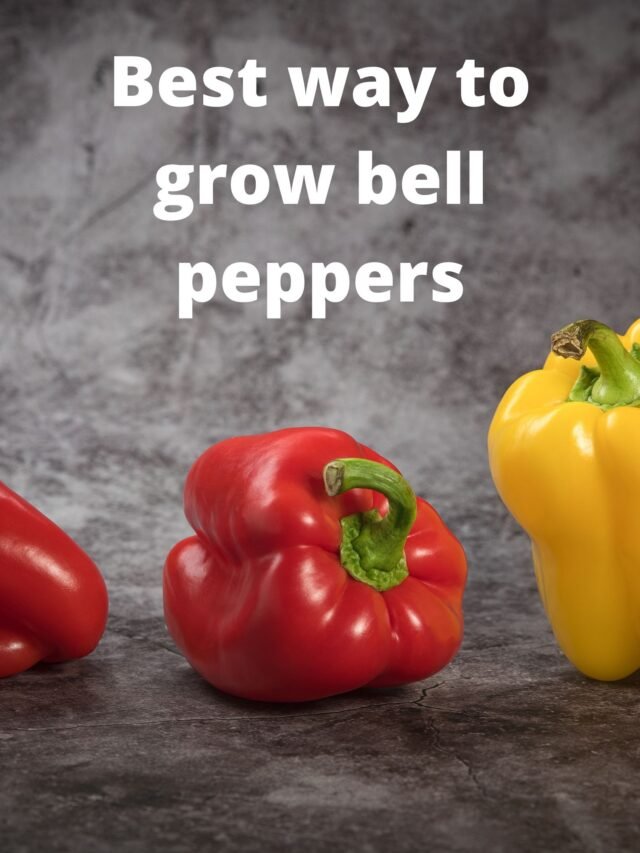
Imagine biting into a crisp, juicy bell pepper, bursting with sweetness and vibrant color, fresh from your very own garden. Growing your own bell peppers is not only rewarding but also allows you to enjoy flavors and varieties you might not find at the grocery store. So, if you're eager to add some colorful, nutritious, and delicious peppers to your garden, let's explore some of the best bell pepper varieties to grow!
Choosing The Best Bell Peppers To Grow For Your Garden
Selecting the right bell pepper varieties can be a game-changer for your gardening success. Factors like your local climate, available space, and personal taste preferences all play a crucial role in determining which peppers will thrive in your garden. Understanding these elements will help you narrow down your options and choose thebest bell peppers to grow.
Understanding Bell Pepper Varieties
Bell peppers come in a rainbow of colors, each offering a slightly different flavor profile. Beyond color, there are also variations in size, shape, and disease resistance. Let's delve into some popular categories:
Color: Bell peppers are most commonly available in green, red, yellow, and orange. However, you can also find purple, brown, and even white varieties. Green bell peppers are the least ripe and have a slightly bitter taste, while red, yellow, and orange peppers are sweeter due to their higher sugar content. Size: Bell peppers can range in size from small, snack-sized peppers to large, blocky varieties perfect for stuffing. Disease Resistance:Some bell pepper varieties are bred to be resistant to common diseases like Tobacco Mosaic Virus (TMV) and bacterial leaf spot. Choosing disease-resistant varieties can significantly reduce the risk of crop failure.
Top Bell Pepper Varieties to Consider
Now that you understand the basics, let's explore some of thebest bell pepper types to grow:
Classic Choices: Red, Yellow, and Orange Wonders
These are the bell peppers you'll most often find in stores, and for good reason! They're reliable, flavorful, and relatively easy to grow. Here are some specific varieties to look out for:
California Wonder: This is the quintessential green bell pepper, known for its blocky shape and thick walls. As it ripens, it turns red. It's a reliable producer and a great choice for beginners. It typically takes 75 days to maturity. Golden Bell: This yellow bell pepper is sweet and mild, making it a favorite for salads and snacking. It matures slightly earlier than red varieties, usually around 72 days. Orange Bell:Offers a vibrant color and a slightly fruity flavor. It matures in about 70 days.
Unique and Exciting Bell Pepper Varieties
If you're looking to add some flair to your garden and your plate, consider these less common but equally delicious bell pepper varieties:
Purple Beauty: As the name suggests, this bell pepper starts out green and matures to a beautiful deep purple. It has a slightly sweet flavor and is a stunning addition to any dish. It requires about 70 days until maturity. Chocolate Beauty: Maturing to a rich, chocolate brown color, this bell pepper offers a unique earthy flavor. It's a great choice for grilling or roasting. It typically matures in about 75 days. Sweet Chocolate:This cultivar is a compact plant that yields loads of sweet and petite peppers that are brown.
Best Bell Pepper Varieties For Container Growing
Don't have a lot of space? No problem! Many bell pepper varieties thrive in containers. Look for compact or dwarf varieties like:
Lunchbox Peppers: While technically notbellpeppers, these small, sweet peppers come in a variety of colors and are perfect for snacking or adding to lunchboxes. They're also very productive in containers. Mini Bell: Smaller than standard bell peppers, these are ideal for containers. Patio Bell:Bred specifically for container growing, this variety produces compact plants with good yields.
Tips for Growing the Best Bell Peppers
Regardless of the variety you choose, following these tips will help you achieve a bountiful harvest of delicious bell peppers:
Start Seeds Indoors: Bell peppers require a long growing season, so it's best to start seeds indoors 6-8 weeks before the last expected frost. Provide Plenty of Sunlight: Bell peppers need at least 6-8 hours of sunlight per day. Well-Drained Soil: Bell peppers prefer well-drained soil that is rich in organic matter. Amend your soil with compost or aged manure before planting. Consistent Watering: Water deeply and regularly, especially during hot weather. Avoid overhead watering, as this can promote disease. Fertilize Regularly: Feed your bell peppers with a balanced fertilizer every 2-3 weeks. Support Plants: As bell peppers grow, they may need support to prevent the branches from breaking under the weight of the fruit. Use stakes or cages to provide support.
Speaking of watering, having the right tools is essential for a thriving garden. Using a high-quality garden hose can make all the difference in easily delivering water to your plants. If you're looking for a new watering tool, consider theGarden Hose 75 FT with 10-Function Nozzle. This leak-proof metal connector water hose is designed for convenience, and is kink-free, lightweight, wear-resistant, and anti-pet. You can find it here:https://amzn.to/3Yv E0Bo.
Troubleshooting Common Bell Pepper Problems
Even with the best planning, you may encounter some challenges when growing bell peppers. Here are some common problems and how to address them:
Blossom-End Rot: This is caused by a calcium deficiency in the soil. To prevent blossom-end rot, add calcium to your soil before planting and ensure consistent watering. Aphids: These small insects can suck the sap from your plants, weakening them. Control aphids with insecticidal soap or neem oil. Sunscald:This occurs when bell peppers are exposed to excessive sunlight, causing them to develop white or tan spots. Provide shade during the hottest part of the day.
Harvesting and Storing Your Bell Peppers
Knowing when and how to harvest your bell peppers is crucial for enjoying their optimal flavor and quality. Here's what you need to know:
When to Harvest: Bell peppers are ready to harvest when they are firm, glossy, and have reached their mature color. You can harvest green bell peppers earlier, but they will be less sweet than colored peppers. How to Harvest: Use a sharp knife or pruners to cut the pepper from the plant, leaving about an inch of stem attached. Storing Bell Peppers:Bell peppers can be stored in the refrigerator for up to a week. For longer storage, you can freeze them. Wash, core, and slice the peppers, then blanch them in boiling water for 2-3 minutes. Cool them in ice water, then freeze them in freezer bags.
Growing your own bell peppers is a rewarding experience that allows you to enjoy fresh, flavorful produce right from your backyard. By choosing the right varieties for your climate and following these helpful tips, you can harvest a bountiful crop of the*best bell peppers to grow! So, get planting and get ready to enjoy the sweet taste of success!