There's something so comforting about a warm, hearty meal that requires minimal effort. Stuffed bell peppers are a classic for a reason – they're delicious, versatile, and packed with nutrients. But sometimes, the thought of pre-cooking rice and browning ground beef can feel like a chore. That's where the magic of the slow cooker comes in. Let's explore how to make unbelievably delicious and easy Crock Pot Stuffed Bell Peppers that practically cook themselves! Delicious and Easy Recipe for Crock Pot Stuffed Bell Peppers This recipe for Crock Pot Stuffed Bell Peppers is a game-changer for busy weeknights or lazy weekends. It simplifies the process without sacrificing any of the flavor. The slow cooker allows the flavors to meld together beautifully, resulting in tender peppers and a savory, satisfying filling. Plus, clean-up is a breeze! It's also a very forgiving dish, so feel free to adjust the ingredients to your liking. Got leftove...
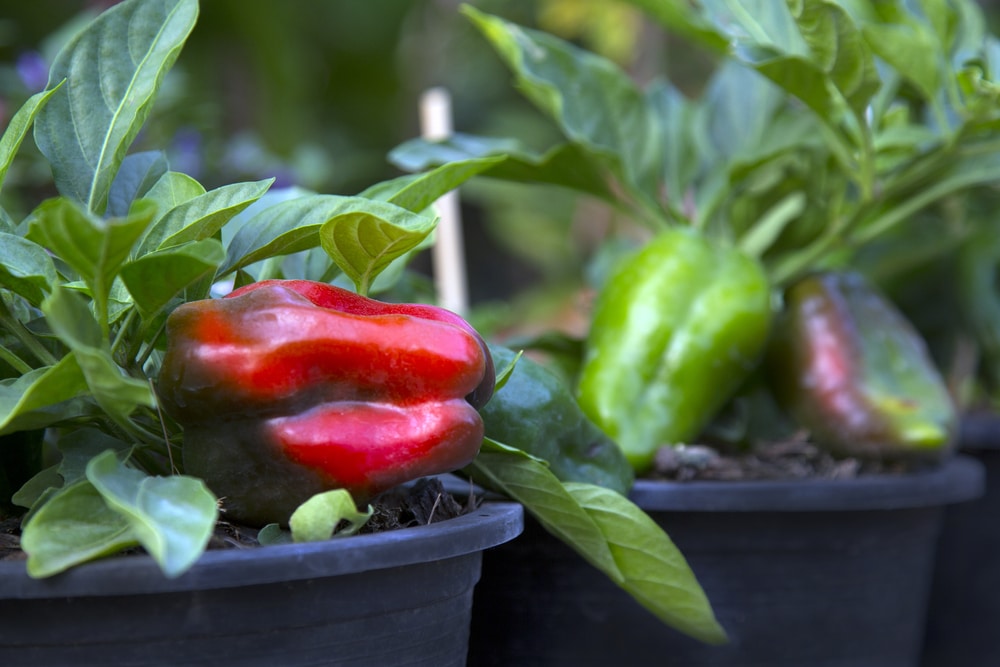
Imagine plucking a vibrant, sun-ripened bell pepper straight from a pot on your patio, ready to add a burst of color and flavor to your dinner. Sounds idyllic, right? Well, growing bell peppers in pots is not only achievable, but it's also a rewarding experience that allows you to enjoy fresh produce, even with limited garden space. Let's dive into the world of container gardening with bell peppers and unlock the secrets to a bountiful harvest.
Growing Bell Peppers in Containers: A Comprehensive Guide
Why Choose Potted Bell Peppers?
Growingbell peppers in pots offers numerous advantages, especially for urban gardeners or those with limited space. Unlike traditional gardening, container gardening provides greater control over the growing environment. You can easily regulate soil conditions, sunlight exposure, and even protect your plants from harsh weather or pests. This flexibility makes growingpepper plants in pots an attractive option for beginners and experienced gardeners alike.
- Space Efficiency: Ideal for balconies, patios, and small gardens.
- Control Over Environment: Easier to manage soil, water, and sunlight.
- Portability: Move plants to optimal locations as needed.
- Pest and Disease Management: Reduced risk of soil-borne diseases and easier pest control.
Furthermore, growingbell peppers in containers allows you to start plants earlier in the season, extending your harvest. By keeping the pots indoors until the weather warms, you can give your peppers a head start. Plus, the aesthetic appeal of vibrant green plants and colorful peppers adds beauty to your outdoor living space. For managing water needs, a quality garden hose can make all the difference, especially when dealing with multiple pots. Speaking of hoses, theGarden Hose 75 FT with 10-Function Nozzle, Leak-proof Metal Connector Water Hose, No Knots, Kink-Free, Lighter, Anti-Pets, Wear-Resistant, 3/4 GHT, Metal Hose for Garden, Yard, Outdoor is a great investment for efficiently watering your container garden and is available here: https://amzn.to/3Yv E0Bo. A durable and versatilemetal garden hose like this one will definitely make your gardening life easier.
Selecting the Right Pepper Variety for Pots
Not all bell pepper varieties are created equal when it comes to container gardening. Some varieties are naturally more compact and better suited for growing in pots. Consider these factors when choosing your bell pepper plants:
- Plant Size: Opt for compact or dwarf varieties.
- Days to Maturity: Choose varieties with shorter maturity times for faster harvests.
- Disease Resistance: Select disease-resistant varieties to minimize potential problems.
Here are some excellent bell pepper varieties that thrive in pots:
- Mini Belle: A compact plant producing small, sweet peppers in various colors.
- Patio Bell: As the name suggests, this variety is perfect for patios and containers.
- Lunchbox Peppers: These smaller, sweeter peppers are ideal for snacking and grow well in pots.
- Sweet Pickle Pepper: A colorful variety that adds visual appeal and flavor.
When starting from seed, give your seedlings a head start indoors 6-8 weeks before the last expected frost. Use a seed-starting mix and provide ample light. Alternatively, purchase healthy, established pepper plants from a reputable nursery. Transplanting seedlings into pots is a straightforward process, just be sure to disturb the roots as little as possible.
Choosing the Right Pot and Soil
Pot Size Matters
The size of the pot is crucial for the success of yourcontainer pepper plants. Bell peppers need adequate space for their roots to grow and thrive. A general rule of thumb is to use a pot that is at least 12 inches in diameter and 12 inches deep. Larger pots (15-20 inches) are even better, especially for larger varieties or if you plan to grow multiple plants in the same container.
Selecting the Best Soil
Bell peppers need well-draining soil that is rich in organic matter. Avoid using garden soil, as it can become compacted in pots and inhibit root growth. Instead, opt for a high-quality potting mix specifically formulated for vegetables. You can also amend your potting mix with compost or aged manure to improve drainage and fertility. A slightly acidic to neutral p H (6.0-7.0) is ideal for bell peppers. Avoid soil with high clay content. A soilless mix can also be used to help with drainage.
Here's a simple recipe for a DIY potting mix for bell peppers:
- 1 part peat moss or coconut coir
- 1 part perlite or vermiculite
- 1 part compost
- A handful of slow-release fertilizer
Care and Maintenance for Bell Peppers in Pots
Sunlight Requirements
Bell peppers are sun-loving plants that require at least 6-8 hours of direct sunlight per day. Choose a location that receives plenty of sunshine, such as a south-facing balcony or patio. If you live in a particularly hot climate, consider providing some afternoon shade to prevent the peppers from getting scorched. Insufficient sunlight can lead to reduced fruit production and smaller peppers.
Watering and Fertilizing
Watering is essential for healthy bell pepper growth. Keep the soil consistently moist, but avoid overwatering, which can lead to root rot. Water deeply whenever the top inch of soil feels dry to the touch. During hot weather, you may need to water daily. Proper drainage is vital to avoid waterlogged conditions. Use pots with drainage holes. For fertilizing, bell peppers are heavy feeders and benefit from regular fertilization. Use a balanced fertilizer with a ratio of 10-10-10 or 5-10-5 every 2-3 weeks. You can also supplement with compost tea or liquid seaweed extract.
Here's a simple fertilization schedule:
| Stage | Fertilizer | Frequency |
|---|---|---|
| Planting | Slow-release fertilizer | Once at planting |
| Vegetative Growth | Balanced liquid fertilizer (10-10-10) | Every 2-3 weeks |
| Fruiting | High-phosphorus liquid fertilizer (5-10-5) | Every 2 weeks |
Pruning and Support
Pruning can help improve air circulation and encourage bushier growth. Remove any yellowing or diseased leaves. Pinch off any suckers that grow from the base of the plant. For taller varieties, provide support using stakes or cages to prevent the plants from toppling over, especially when loaded with fruit. Regular monitoring is also important to identify and address any problems early. Remove leaves to open up airflow and avoid overly crowding the plants.
Pest and Disease Control
Bell peppers are susceptible to certain pests and diseases. Common pests include aphids, spider mites, and whiteflies. Control these pests with insecticidal soap or neem oil. Diseases such as blossom end rot can be prevented by ensuring consistent watering and adequate calcium levels in the soil. Regularly inspect your plants for any signs of pests or diseases. Early detection and treatment are key to preventing widespread problems. Remove any infected leaves or plants immediately to prevent the spread of disease. Regular treatments of neem oil can prevent pest and disease outbreak in the garden.
Harvesting Your Bell Peppers
Bell peppers are typically ready to harvest 60-90 days after transplanting, depending on the variety. The peppers should be firm, glossy, and fully colored. Use a sharp knife or pruning shears to cut the peppers from the plant, leaving a small piece of stem attached. Regularly harvesting your peppers encourages the plant to produce more fruit. Store harvested peppers in the refrigerator for up to two weeks.
Troubleshooting Common Problems
Blossom End Rot
Blossom end rot is a common problem in bell peppers, characterized by a dark, leathery spot on the bottom of the fruit. This is typically caused by a calcium deficiency or inconsistent watering. Ensure consistent watering and amend the soil with calcium-rich amendments such as bone meal or crushed eggshells. Watering plants with a good garden hose is a great way to maintain the moisture levels. In order to get the best performance out of your plants, ensure that you use a good quality garden hose.
Lack of Fruit Production
If your bell pepper plants are not producing fruit, it could be due to several factors, including insufficient sunlight, poor pollination, or inadequate fertilization. Ensure your plants are receiving at least 6-8 hours of direct sunlight per day. Hand-pollinate the flowers by gently shaking the plant or using a small brush to transfer pollen from one flower to another. Fertilize regularly with a balanced fertilizer.
Pest Infestations
Regularly inspect your plants for pests and diseases. Treat infestations with insecticidal soap, neem oil, or other appropriate treatments. Remove any infected leaves or plants immediately to prevent the spread of disease. Introducing beneficial insects such as ladybugs can also help control pests.
Conclusion
Growingbell peppers in pots is a rewarding and accessible way to enjoy fresh, homegrown produce, even with limited space. By following these tips and techniques, you can create a thriving container garden that yields a bountiful harvest of delicious bell peppers. So, grab a pot, choose your favorite variety, and get ready to savor the sweet taste of success!