There's something so comforting about a warm, hearty meal that requires minimal effort. Stuffed bell peppers are a classic for a reason – they're delicious, versatile, and packed with nutrients. But sometimes, the thought of pre-cooking rice and browning ground beef can feel like a chore. That's where the magic of the slow cooker comes in. Let's explore how to make unbelievably delicious and easy Crock Pot Stuffed Bell Peppers that practically cook themselves! Delicious and Easy Recipe for Crock Pot Stuffed Bell Peppers This recipe for Crock Pot Stuffed Bell Peppers is a game-changer for busy weeknights or lazy weekends. It simplifies the process without sacrificing any of the flavor. The slow cooker allows the flavors to meld together beautifully, resulting in tender peppers and a savory, satisfying filling. Plus, clean-up is a breeze! It's also a very forgiving dish, so feel free to adjust the ingredients to your liking. Got leftove...
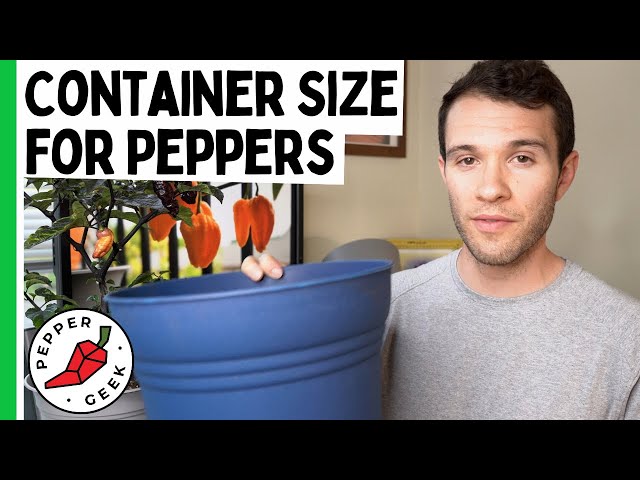
So, you're dreaming of plump, colorful bell peppers bursting with flavor, all grown right on your patio or balcony? Fantastic! But before you start envisioning your pepper-filled harvest, there's a crucial question to answer: what size pot is best for bell peppers? Getting this right is the foundation for healthy plants and a bountiful crop. Let's dig in and find the perfect home for your future peppers.
Choosing the Right Container Size for Bell Peppers
The size of the pot you choose for your bell pepper plants is extremely important. It directly affects the plant's ability to access nutrients, water, and space for its roots to grow. Too small, and your pepper will be stunted and produce fewer (or no) peppers. Too large, and the soil can retain too much moisture, leading to root rot and other problems. Finding that sweet spot is key!
Understanding Bell Pepper Root Systems
Bell peppers aren't known for having wildly aggressive root systems, but they do require sufficient space to develop a healthy foundation. A mature bell pepper plant, even a compact variety, needs a certain amount of room for its roots to spread and efficiently absorb water and nutrients. Think of it like building a house: a strong foundation is essential for the whole structure. While bell peppers are moderately deep rooted, you do need to account for some vertical and horizontal spread.
Minimum Pot Size for One Bell Pepper Plant
For a single bell pepper plant, the absolute minimum pot size you should consider is5 gallons. However, for optimal growth and fruit production, a 7-gallonor even 10-gallonpot is preferable. A larger pot gives the roots more room to expand, resulting in a healthier, more productive plant. A larger pot will also provide more soil, which means a bigger buffer against temperature changes and fluctuations in watering, which makes your plants easier to care for.
Here's a quick guideline:
- 5 gallons: Bare minimum, suitable for very compact varieties or if you're willing to closely monitor water and nutrients.
- 7 gallons: A good starting point for most bell pepper varieties. Offers a good balance of space and manageability.
- 10 gallons: Ideal for larger varieties or if you want to maximize fruit production. Provides ample space for roots to thrive.
Factors to Consider When Selecting a Pot Size
Several factors beyond the minimum size recommendations will influence the ideal pot size for your bell peppers:
- Variety: Different bell pepper varieties have different growth habits. Compact varieties, like some patio peppers, may do well in a 5-gallon pot. Larger varieties, like California Wonder, will need at least a 7-gallon pot, and preferably a 10-gallon pot or larger. Always check the seed packet or plant tag for specific recommendations.
- Growing Environment: If you live in a hot climate, a larger pot will help to keep the soil cooler and prevent the plant from drying out too quickly. Conversely, in cooler climates, a smaller pot may warm up faster.
- Your Watering Habits: If you tend to overwater, a smaller pot might be better, as it will dry out more quickly. However, if you tend to underwater, a larger pot will provide a larger buffer and help to retain moisture.
- Soil Quality: If you're using a high-quality potting mix that drains well and retains moisture, you can get away with a slightly smaller pot. However, if your potting mix is less than ideal, a larger pot will provide a greater buffer against nutrient deficiencies and drainage issues.
The Benefits of Using Larger Pots for Bell Peppers
While it might seem tempting to save space and money by using smaller pots, there are several compelling reasons to opt for larger containers:
- Improved Root Growth: Larger pots provide more space for the roots to expand and develop a strong network. This allows the plant to absorb more water and nutrients, leading to healthier growth and increased fruit production.
- Increased Water Retention: Larger pots hold more water, which means you won't have to water as frequently, especially during hot weather. This is particularly beneficial for busy gardeners.
- Better Nutrient Availability: Larger pots contain more soil, which means there are more nutrients available to the plant. This can reduce the need for frequent fertilization.
- Greater Stability: Larger pots are less likely to tip over in windy conditions, which can damage the plant and its fruit.
- Reduced Rootbound Issues: Plants in smaller pots are more likely to become rootbound, where the roots circle the pot and restrict growth. Larger pots provide ample space for the roots to expand, preventing this problem.
Consider this case study: A trial conducted by a local agricultural extension office compared bell pepper yields in 5-gallon and 10-gallon pots. The plants in the 10-gallon pots produced an average of 30% more peppers than those in the 5-gallon pots. This highlights the significant impact pot size can have on overall yield. In addition to yield, the peppers grown in larger containers were also significantly larger than the smaller containers.
Potting Mix Matters Too
The potting mix you use is just as important as the size of the pot. Bell peppers need a well-draining potting mix that is rich in organic matter. Avoid using garden soil, as it can compact and restrict root growth. Look for a potting mix specifically designed for vegetables or create your own by mixing equal parts compost, peat moss (or coconut coir), and perlite. The right potting mix ensures proper drainage and aeration, preventing root rot and providing essential nutrients.
Maintaining Your Potted Bell Peppers
Once you've chosen the right pot size and potting mix, it's important to provide your bell pepper plants with proper care. This includes regular watering, fertilizing, and pruning. Water your plants deeply whenever the top inch of soil feels dry to the touch. Fertilize every two to three weeks with a balanced fertilizer or a fertilizer specifically formulated for vegetables. Prune away any yellowing or dead leaves to encourage air circulation and prevent disease.
To keep your garden watered and flourishing, consider using a reliable watering system. A75 FT Garden Hose with a 10-Function Nozzle is perfect for reaching all your plants, and its leak-proof metal connectors and kink-free design make watering a breeze. Plus, it's lightweight and wear-resistant, so you can enjoy it for seasons to come. This metal hose for your garden, yard, and outdoor needs is a must-have for any gardener. You can find it here: https://amzn.to/3Yv E0Bo.
By carefully selecting the right size pot and providing proper care, you can enjoy a bountiful harvest of delicious, homegrown bell peppers right on your patio or balcony. So, get planting and get ready to enjoy the fruits (or should we say, vegetables!) of your labor.