There's something so comforting about a warm, hearty meal that requires minimal effort. Stuffed bell peppers are a classic for a reason – they're delicious, versatile, and packed with nutrients. But sometimes, the thought of pre-cooking rice and browning ground beef can feel like a chore. That's where the magic of the slow cooker comes in. Let's explore how to make unbelievably delicious and easy Crock Pot Stuffed Bell Peppers that practically cook themselves! Delicious and Easy Recipe for Crock Pot Stuffed Bell Peppers This recipe for Crock Pot Stuffed Bell Peppers is a game-changer for busy weeknights or lazy weekends. It simplifies the process without sacrificing any of the flavor. The slow cooker allows the flavors to meld together beautifully, resulting in tender peppers and a savory, satisfying filling. Plus, clean-up is a breeze! It's also a very forgiving dish, so feel free to adjust the ingredients to your liking. Got leftove...
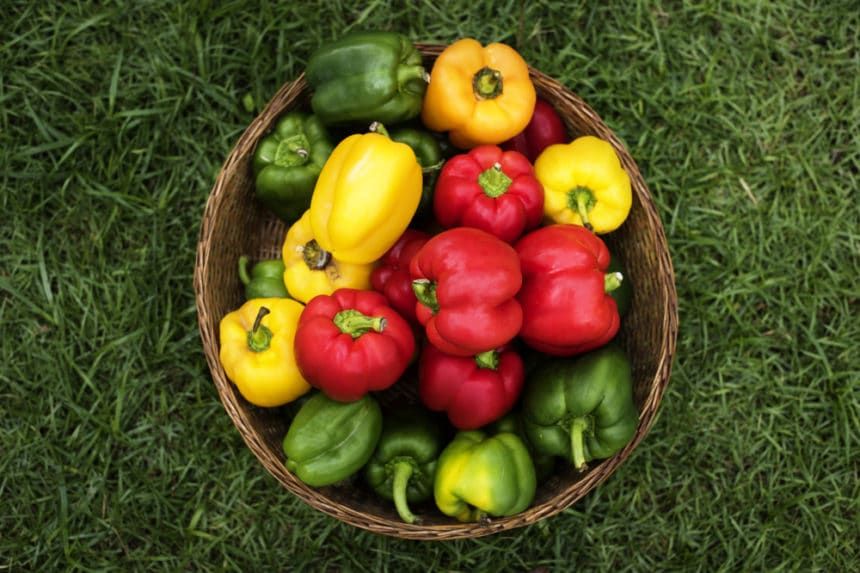
Imagine sinking your teeth into a crisp, juicy bell pepper, freshly picked from your own garden. The vibrant color, the satisfying crunch, the explosion of flavor – it's an experience that store-bought peppers just can't match. But how many of these delicious treats can you realistically expect from each plant you nurture? Let's dig in and find out!
Unveiling the Secrets of Bell Pepper Production
Understandinghow many bell peppers you can expect per plant is crucial for planning your garden and setting realistic expectations. Several factors influence bell pepper yield, making it more than just a simple numbers game. We'll explore these factors in detail, giving you the knowledge to maximize your harvest.
Factors Influencing the Number of Bell Peppers Per Plant
The ultimate bell pepper yield is a dance between genetics, environment, and your care. Let's break down the key players:
Variety Matters
Just like people, bell pepper varieties have different inherent capabilities. Some are bred for prolific production, naturally yielding more fruit than others. Here's a glimpse:
- 'California Wonder': A classic, reliable choice known for producing a good number of medium-sized peppers. Expect roughly 5-10 peppers per plant.
- 'Jupiter': Produces larger, blocky peppers, often yielding fewer in number (around 4-8) but making up for it in size.
- 'Gypsy': An early-maturing variety that can offer a higher yield, potentially reaching 10-15 peppers per plant.
- 'Sweet Banana': While technically not a bell pepper, it's in the same family and known for high yields – easily exceeding 20 peppers per plant.
Researching different varieties and selecting those best suited for your climate and desired output is a smart move. Hybrid varieties often boast increased disease resistance and higher yields compared to heirloom or open-pollinated types.
The Power of Pollination
Bell peppers are self-pollinating, meaning they can fertilize themselves. However, assisted pollination can significantly boost fruit set and the overallnumber of bell peppers per plant. Gently shaking the plants or using a small brush to transfer pollen between flowers can do the trick, especially indoors or in areas with limited bee activity.
The weather plays a huge role in pollination too! The ideal temperature for bell pepper pollination is between 70-85 degrees Fahrenheit.
The Importance of Sunlight
Bell peppers are sun-worshippers! They need at least 6-8 hours of direct sunlight per day to thrive and produce abundant fruit. Insufficient sunlight will lead to weak plants and a reduced harvest. A sunny spot in your garden is non-negotiable.
Soil and Nutrients:The Foundation of a Good Yield
Bell peppers are heavy feeders, meaning they require plenty of nutrients to fuel their growth and fruit production. Rich, well-draining soil is essential. Incorporating compost or other organic matter into the soil before planting provides a slow-release source of nutrients. Regular fertilization throughout the growing season is also important. Use a balanced fertilizer specifically formulated for vegetables, following the instructions on the label. A soil test will provide vital insight on your soil and its specific needs!
Watering Wisely
Consistent watering is crucial for bell pepper production. Aim to keep the soil consistently moist but not waterlogged. Overwatering can lead to root rot, while underwatering can stress the plants and reduce fruit set. Using agarden hose 75 ft long can make watering a large garden much easier, allowing you to easily reach all of your plants. Consider getting a versatilewater hose with multiple spray functions for efficient and effective watering. You can find a great option here: https://amzn.to/3Yv E0Bo.
Temperature and Climate Considerations
Bell peppers are warm-season crops that thrive in temperatures between 70-85°F (21-29°C). They are sensitive to frost and cold temperatures. In regions with short growing seasons, starting seeds indoors and transplanting seedlings after the last frost is recommended. You can use row covers or other protective measures to extend the growing season and protect plants from unexpected cold snaps.
Pest and Disease Management
Pests and diseases can significantly impact bell pepper yield. Common pests include aphids, spider mites, and pepper weevils. Diseases such as blossom-end rot, powdery mildew, and bacterial leaf spot can also wreak havoc. Regularly inspect your plants for signs of pests or diseases and take appropriate action. Organic pest control methods, such as insecticidal soap or neem oil, can be effective. Proper spacing and good air circulation can help prevent disease outbreaks. A healthy plant is a productive plant!
So, How Many Bell Peppers Should You Expect?
Taking all these factors into consideration, a healthy, well-cared-for bell pepper plant can realistically produce5-10 bell peppers. Under ideal conditions, with the right variety and meticulous care, you might even see upwards of 15 peppers per plant. Conversely, poor growing conditions or neglect can result in as few as 2-3 peppers per plant.
A Practical Example:Case Study
Let's say you plant six 'California Wonder' bell pepper plants in a well-prepared garden bed, providing them with ample sunlight, regular watering, and consistent fertilization. You also diligently monitor for pests and diseases. In this scenario, you could reasonably expect a harvest of 30-60 bell peppers from your six plants.
Tips for Maximizing Your Bell Pepper Harvest
Want to push your bell pepper plants to their full potential? Here are some actionable tips:
- Start early: Start seeds indoors 6-8 weeks before the last expected frost.
- Choose the right variety: Select varieties known for high yields in your climate.
- Provide ample sunlight: Ensure your plants receive at least 6-8 hours of direct sunlight per day.
- Prepare the soil: Amend the soil with compost or other organic matter to improve drainage and fertility.
- Fertilize regularly: Use a balanced fertilizer specifically formulated for vegetables.
- Water consistently: Keep the soil consistently moist but not waterlogged.
- Prune selectively: Remove suckers (small shoots that grow from the base of the plant) to encourage more fruit production.
- Support the plants: Use stakes or cages to support the plants as they grow and prevent them from toppling over.
- Protect from pests and diseases: Regularly inspect your plants and take action to control any pests or diseases.
- Harvest regularly: Harvest peppers when they are fully colored and firm. Regular harvesting encourages the plant to produce more fruit.
Beyond the Numbers: The Joy of Gardening
While understandinghow many bell peppers to expect per plant is helpful, remember that gardening is about more than just maximizing yield. It's about connecting with nature, nurturing life, and enjoying the fruits (or vegetables!) of your labor. So, whether you harvest five peppers or fifteen, savor the experience and appreciate the journey.