There's something so comforting about a warm, hearty meal that requires minimal effort. Stuffed bell peppers are a classic for a reason – they're delicious, versatile, and packed with nutrients. But sometimes, the thought of pre-cooking rice and browning ground beef can feel like a chore. That's where the magic of the slow cooker comes in. Let's explore how to make unbelievably delicious and easy Crock Pot Stuffed Bell Peppers that practically cook themselves! Delicious and Easy Recipe for Crock Pot Stuffed Bell Peppers This recipe for Crock Pot Stuffed Bell Peppers is a game-changer for busy weeknights or lazy weekends. It simplifies the process without sacrificing any of the flavor. The slow cooker allows the flavors to meld together beautifully, resulting in tender peppers and a savory, satisfying filling. Plus, clean-up is a breeze! It's also a very forgiving dish, so feel free to adjust the ingredients to your liking. Got leftove...
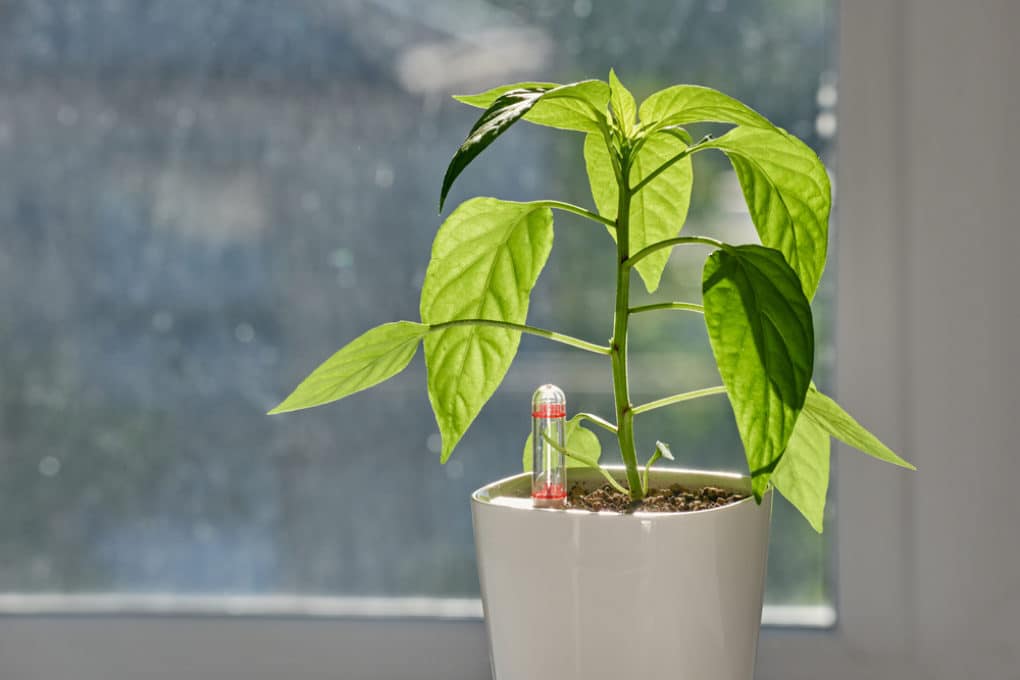
Imagine biting into a crisp, juicy bell pepper you grew yourself, right in the middle of winter. Sounds impossible? Not at all! Growing bell peppers indoors is a rewarding experience that brings a touch of summer to your home all year round. Let's dive into how you can cultivate your own vibrant bell pepper harvest indoors.
Why Grow Bell Peppers Indoors?
Growing bell peppers indoors offers a wealth of advantages, making it an attractive option for gardeners of all levels. Beyond the obvious benefit of fresh produce year-round, indoor gardening allows you to control the growing environment, shielding your plants from pests, diseases, and unpredictable weather. Let's explore the key benefits:
Year-Round Harvest
One of the most compelling reasons to consider growing bell peppers indoors is the ability to enjoy a year-round harvest. Outdoor growing seasons are limited by climate and temperature fluctuations. However, indoors, you control the environment, ensuring consistent temperatures and light, allowing your bell pepper plants to thrive regardless of the season. This constant supply of fresh peppers is particularly valuable during colder months when they can be expensive or hard to find in stores.
Pest and Disease Control
Indoor environments are inherently less susceptible to pests and diseases that plague outdoor gardens. By controlling the environment, you significantly reduce the risk of infestations and diseases that can devastate your bell pepper crop. Without the need for harsh pesticides, you can enjoy organically grown peppers that are safe and healthy for you and your family. Careful monitoring and good hygiene practices, such as using sterilized soil and cleaning your tools, further minimize the risk of problems.
Controlled Environment
Indoor gardening provides a level of control over the growing environment that is simply impossible outdoors. You can regulate temperature, humidity, light, and nutrient levels to create the perfect conditions for your bell pepper plants to flourish. This level of control allows you to optimize growth and maximize yields, resulting in healthier, more productive plants. For example, you can supplement natural light with grow lights to ensure your plants receive the necessary amount of energy for photosynthesis.
Choosing the Right Bell Pepper Variety for Indoor Growing
Not all bell pepper varieties are created equal, especially when it comes to indoor growing. Selecting the right variety is crucial for success. Look for compact, bush-type varieties that are well-suited to container gardening. These varieties tend to be more manageable in limited spaces and often produce smaller, more abundant fruits. Here are some excellent choices for indoor bell pepper cultivation:
Popular Bell Pepper Varieties
- 'Mini Belle' Series: These compact plants produce small, sweet peppers in a variety of colors, making them perfect for container gardening.
- 'Patio Baby': As the name suggests, this variety is ideal for growing in containers. It produces small, flavorful peppers on compact plants.
- 'Sweet Palermo': While technically not a bell pepper (it's a sweet pointed pepper), it's a close relative that does well indoors and offers a delicious, sweet flavor.
- 'Lipstick': Produces red, cone-shaped peppers that are sweet and flavorful. It is known for its compact size, and produces peppers that ripen fast.
Factors to Consider
When choosing a bell pepper variety, consider the following factors:
- Size: Opt for compact varieties that won't outgrow your available space.
- Days to Maturity: Choose varieties with a shorter maturity time to ensure a quicker harvest.
- Flavor: Select varieties that offer the flavor profile you prefer, whether it's sweet, mild, or slightly spicy.
- Color: Bell peppers come in a variety of colors, including red, yellow, orange, and purple. Choose the colors you enjoy most.
Setting Up Your Indoor Growing Environment
Creating the ideal growing environment is essential for success. This involves providing adequate lighting, maintaining the right temperature and humidity, and selecting the appropriate containers and soil. Let's break down the key elements:
Lighting
Bell peppers require at least 6-8 hours of direct sunlight per day to thrive. If you don't have access to a sunny window, you'll need to supplement with grow lights. Full-spectrum LED grow lights are an excellent option, as they provide the necessary wavelengths of light for photosynthesis and are energy-efficient. Position the lights about 6-12 inches above the plants and adjust as they grow. Use a timer to ensure consistent light exposure.
Fact: The ideal light spectrum for bell pepper growth includes a balance of blue and red light. Blue light promotes vegetative growth, while red light encourages flowering and fruiting.
Temperature and Humidity
Bell peppers prefer daytime temperatures between 70-80°F (21-27°C) and nighttime temperatures between 60-70°F (15-21°C). Maintain humidity levels around 50-70%. You can increase humidity by using a humidifier, placing a tray of water near the plants, or misting them regularly. Avoid placing plants near drafts or heating vents, as this can cause temperature fluctuations and stress the plants.
Containers and Soil
Use containers that are at least 5 gallons in size to provide adequate room for root growth. Ensure the containers have drainage holes to prevent waterlogging. Use a well-draining potting mix specifically formulated for vegetables. Avoid using garden soil, as it can be too heavy and may contain pests or diseases.
Planting and Caring for Your Bell Peppers
Now that you have your environment set up, it's time to plant your bell peppers. Whether you start from seeds or transplants, follow these guidelines for optimal growth:
Starting from Seeds
Start bell pepper seeds indoors 6-8 weeks before the last expected frost. Sow seeds ¼ inch deep in seed-starting trays filled with a seed-starting mix. Keep the soil consistently moist and warm (around 75-80°F/24-27°C). Once the seedlings have developed a few sets of true leaves, transplant them into individual pots. Harden off the seedlings by gradually exposing them to outdoor conditions for a week before transplanting them into their final containers.
Transplanting Seedlings
When transplanting seedlings, handle them gently to avoid damaging the roots. Dig a hole in the potting mix that is slightly larger than the root ball. Carefully remove the seedling from its container and place it in the hole. Fill the hole with potting mix and gently firm the soil around the base of the plant. Water thoroughly after transplanting.
Watering and Fertilizing
Water your bell pepper plants regularly, keeping the soil consistently moist but not waterlogged. Water deeply whenever the top inch of soil feels dry to the touch. Fertilize every 2-3 weeks with a balanced liquid fertilizer. Follow the instructions on the fertilizer label for proper application rates. A fertilizer formulated for tomatoes typically works well for bell peppers.
Pruning and Support
Pruning bell pepper plants can encourage bushier growth and increased fruit production. Remove any suckers (small shoots that grow from the base of the plant) to direct energy towards fruit development. As the plants grow, provide support with stakes or cages to prevent them from toppling over under the weight of the fruit.
Speaking of support, you might find a reliable watering solution essential for thriving peppers. Consider investing in a qualitygarden hose 75 FT with a 10-Function Nozzle to make watering your plants a breeze. Itsleak-proof metal connector andkink-free design will save you time and frustration. It’s also designed to belighter and morewear-resistant than traditional hoses, making it perfect for indoor or outdoor use. Thismetal hose for your garden is an excellent companion for your plants! You can find it here: https://amzn.to/3Yv E0Bo
Dealing with Common Problems
Even with the best care, bell pepper plants can sometimes encounter problems. Here are some common issues and how to address them:
Pests
Aphids, spider mites, and whiteflies are common pests that can infest indoor bell pepper plants. Inspect your plants regularly for signs of infestation, such as small insects, webbing, or sticky residue on the leaves. Treat infestations with insecticidal soap or neem oil. You may need to apply these treatments several times to eliminate the pests completely.
Diseases
Fungal diseases, such as powdery mildew and blossom end rot, can also affect bell pepper plants. Prevent these diseases by providing good air circulation, avoiding overwatering, and ensuring adequate calcium levels in the soil. Treat fungal diseases with a fungicide specifically formulated for vegetables. Blossom end rot is often caused by calcium deficiency and inconsistent watering. Adding calcium to the soil and maintaining consistent moisture levels can help prevent this issue.
Lack of Fruit Set
Sometimes, bell pepper plants may produce flowers but fail to set fruit. This can be due to a number of factors, including insufficient pollination, temperature fluctuations, or nutrient deficiencies. Ensure adequate pollination by gently shaking the plants or using a small brush to transfer pollen from one flower to another. Maintain consistent temperatures and provide adequate nutrients to encourage fruit set.
Harvesting and Enjoying Your Bell Peppers
Harvest your bell peppers when they have reached their mature color and size. Use a sharp knife or scissors to cut the peppers from the plant, leaving a short stem attached. Bell peppers can be stored in the refrigerator for up to a week. Enjoy your homegrown bell peppers fresh, cooked, or preserved in your favorite recipes!